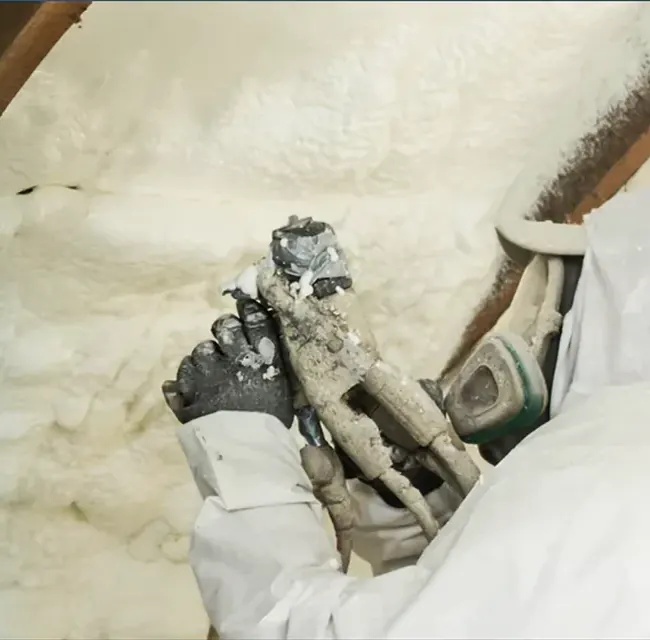
 ATTICS
Residential
Attics & roof decks
Move the insulation to the roof deck and the attic joins the house — ducts and air handlers stop working in a 130°F oven.
Open- or closed-cell at the roof deck
Read the guideApplications
Pick the part of the building you are working on. Each guide covers which foam to use, how thick, what code expects and the mistakes to avoid.
ATTICS
Move the insulation to the roof deck and the attic joins the house — ducts and air handlers stop working in a 130°F oven.
Open- or closed-cell at the roof deck
Read the guide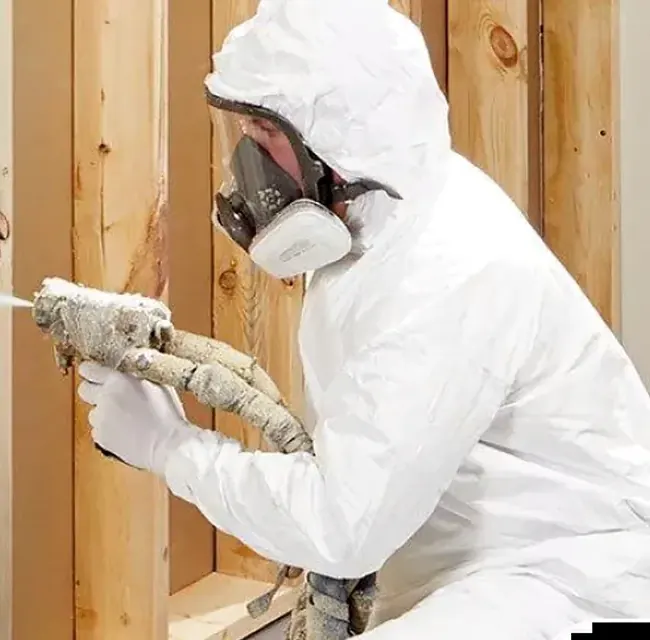 WALLS
WALLS
Foam fills every stud bay edge to edge, around wiring and boxes, so the wall stops air as well as heat.
Open-cell for value, closed-cell for max R per inch
Read the guide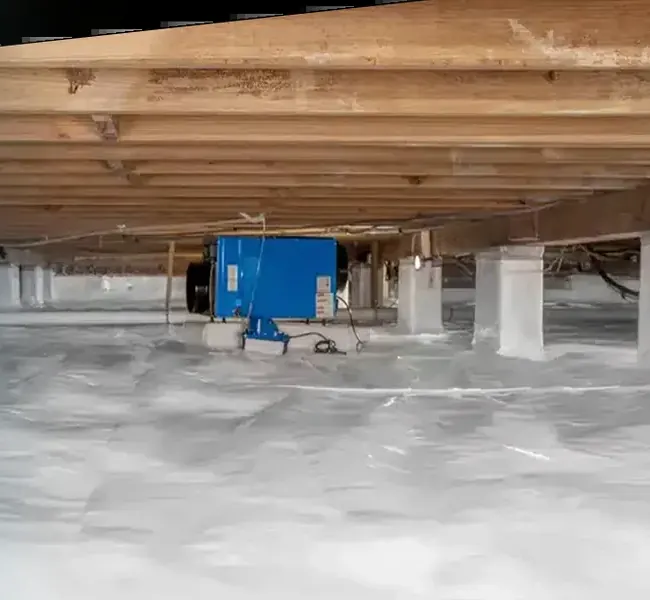 CRAWL SPACES
The leakiest square feet in most houses. Closed-cell on the rim joist and walls turns a damp crawl space into conditioned space.
Closed-cell
Read the guide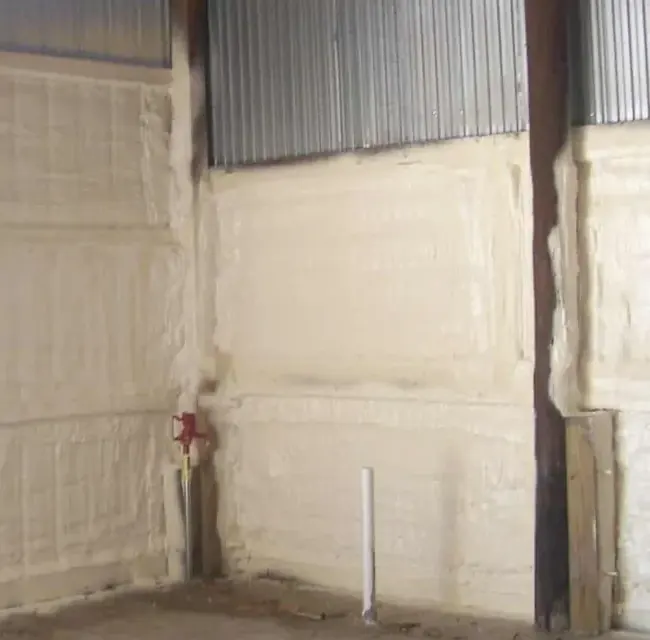 METAL BUILDINGS
Closed-cell foam bonds straight to the steel, so warm, humid air never touches a cold panel — no more dripping roofs.
Closed-cell
Read the guide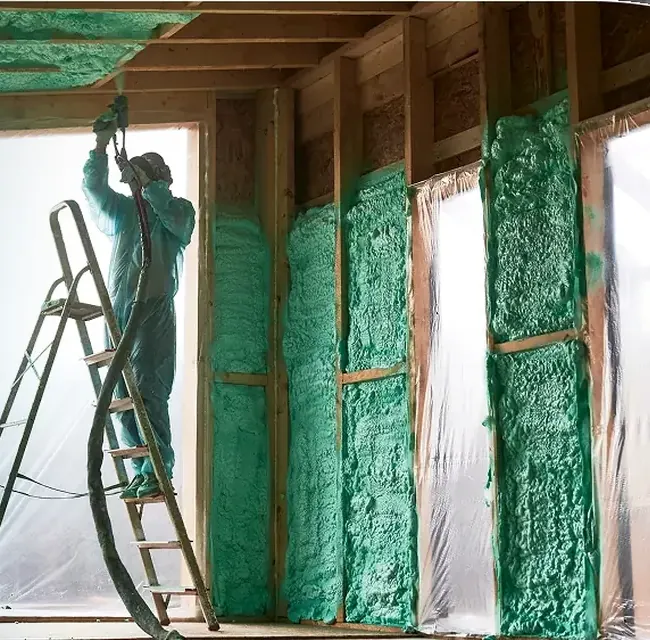 POLE BARNS
Shops, livestock barns and equipment buildings get an air seal and a tougher, cleanable surface in a single pass.
Closed-cell, often with a protective coating
Read the guide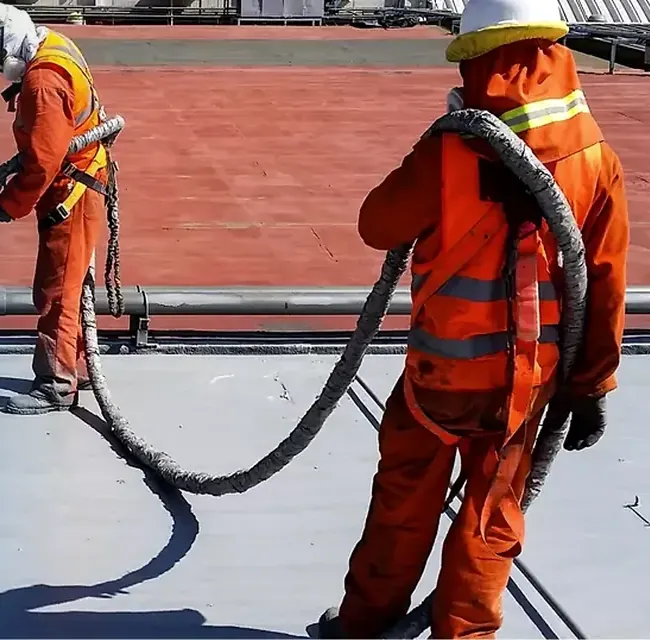 ROOFS
ROOFS
Sprayed directly over the old roof, high-density foam builds a seamless, renewable roof with insulation built in.
High-density roofing foam + elastomeric topcoat
Read the guide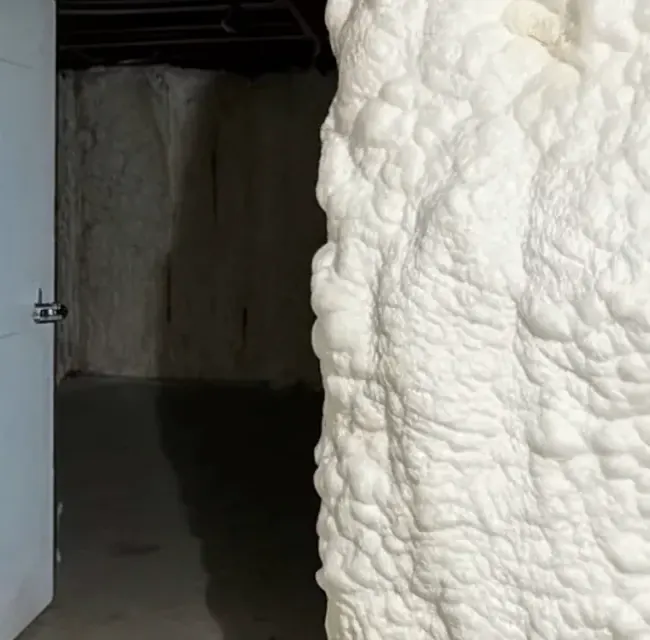 BASEMENTS
Below grade, foam has to handle moisture. Closed-cell insulates, air seals and slows vapor on concrete and block.
Closed-cell
Read the guide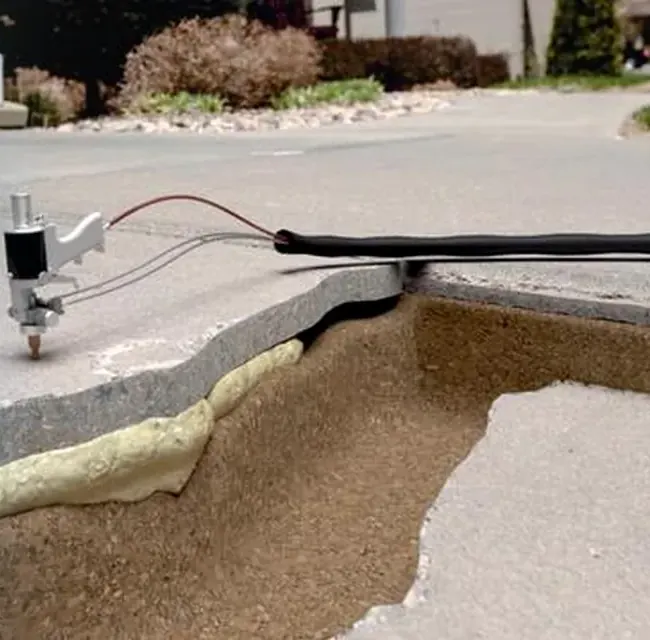 CONCRETE
Expanding polyurethane injected through dime-sized holes raises and stabilizes sunken slabs without replacing them.
Lifting foam
Read the guideNot sure?
Share what you are insulating and where. The ArmorThane team will recommend a foam and point you to an applicator.
(417) 831-5090