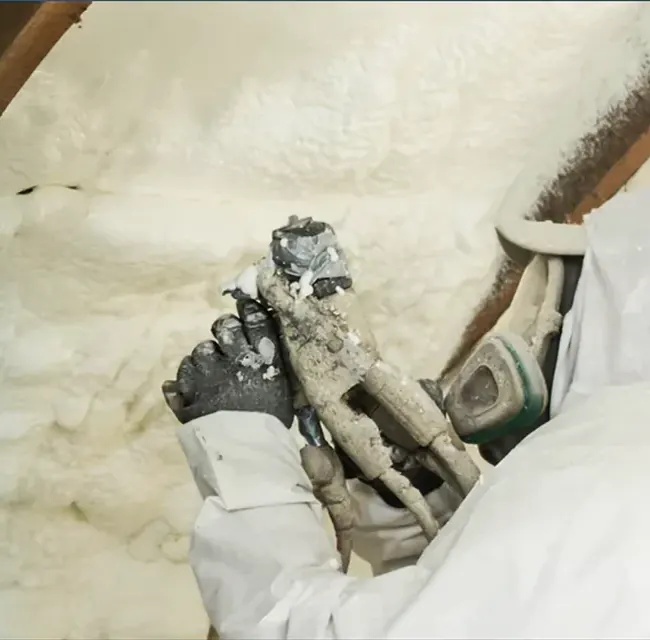
 Attics & roof decks
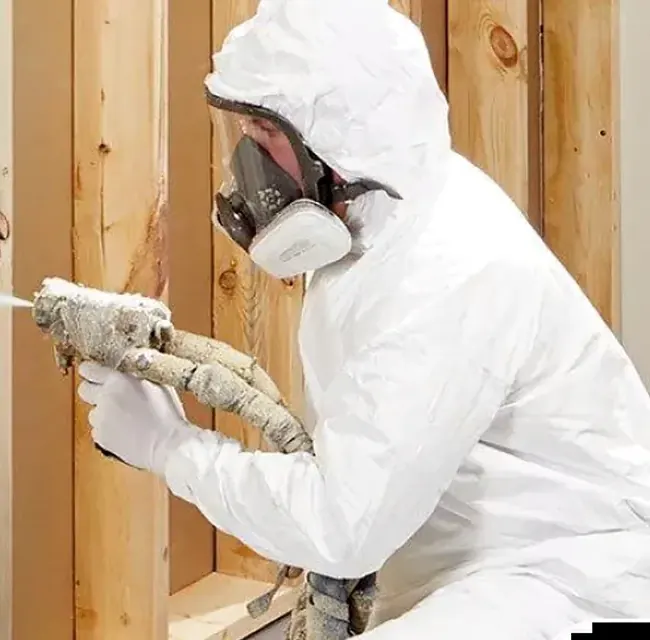 Exterior walls
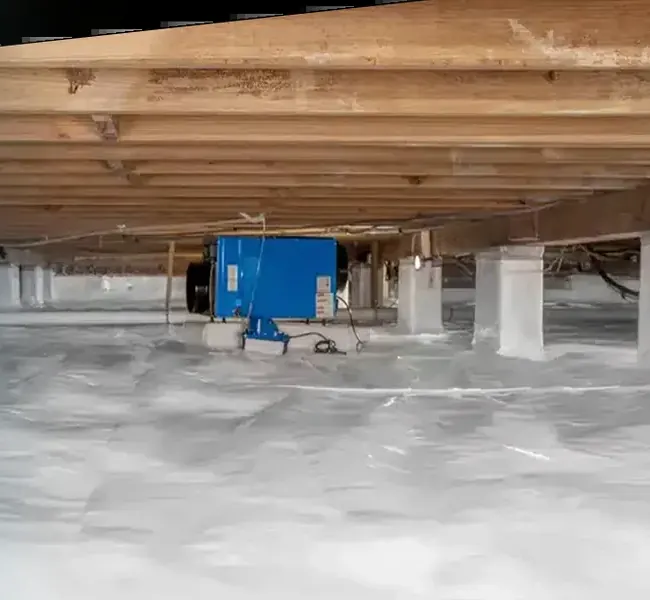 Crawl spaces & rim joists
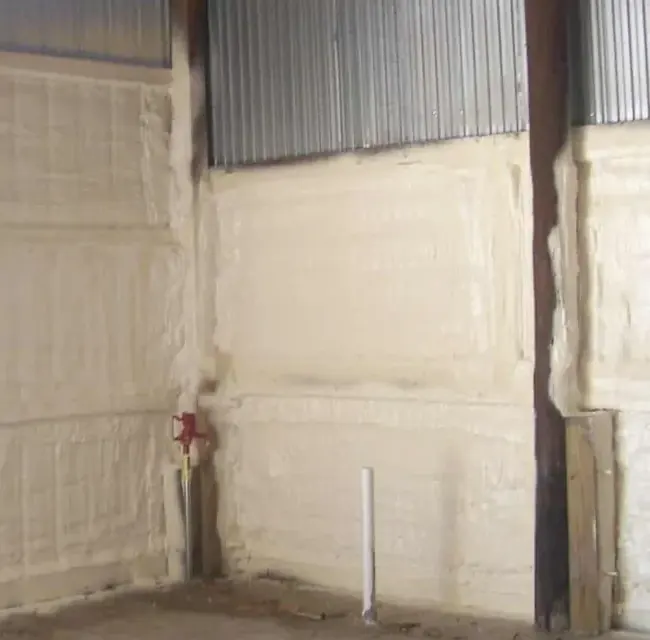 Metal buildings
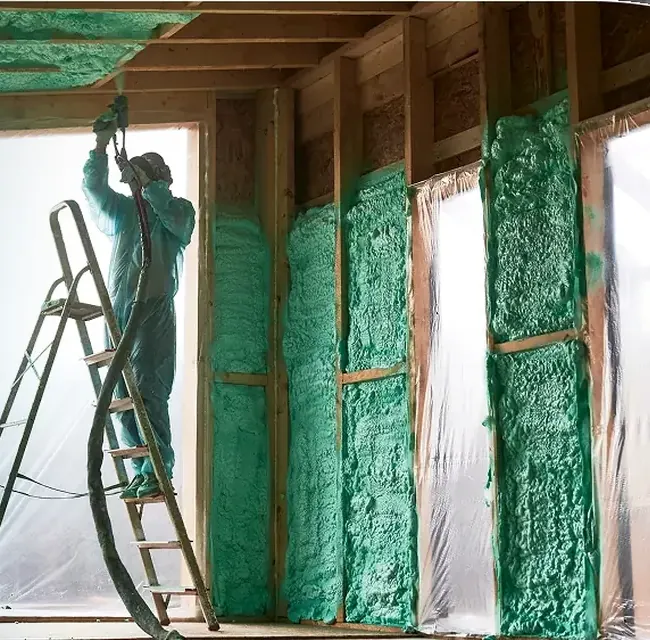 Pole barns, shops & ag
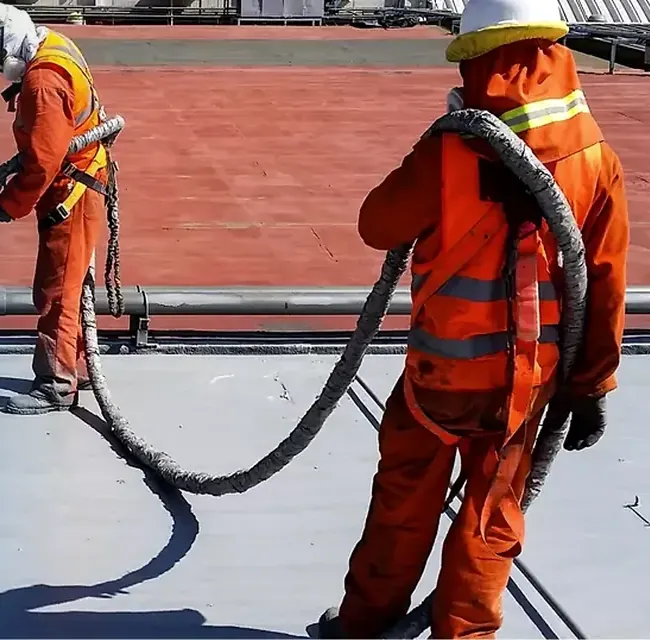 SPF roofing
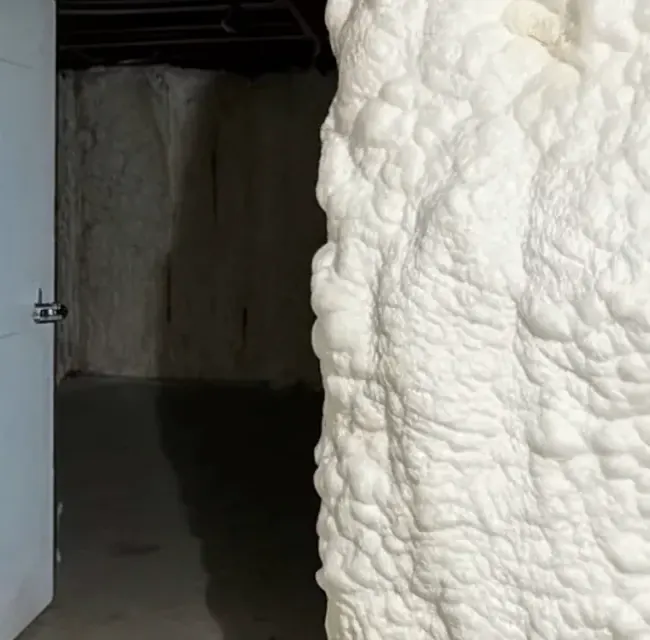 Basement walls
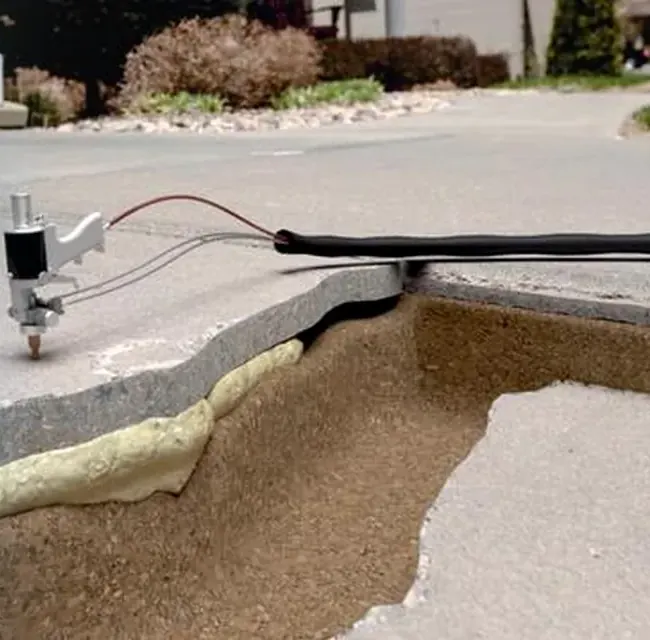 Concrete lifting
How to Start a Spray Foam Insulation Business
Equipment, training, licensing, insurance, pricing and finding the first customers — a practical roadmap for launching a spray foam insulation company, and the mistakes that sink new applicators.
Key takeaways
- A spray foam business needs three things before the first job: a rig, material, and trained, protected people.
- Safety training is not optional: OSHA requires respirator medical evaluation, fit testing and hazard training before anyone sprays.
- Foam is sold by the board foot. Knowing your real yield is the difference between profit and loss.
- Most successful applicators pick one market to start — residential retrofit, new construction, metal buildings or roofing — then expand.
Spray foam is one of the few trades where a small crew with the right equipment can take on residential, commercial, agricultural and roofing work from the same truck. Energy codes keep tightening, metal buildings keep going up, and homeowners keep looking for ways to cut heating and cooling costs. The demand is real.
So is the learning curve. This guide walks through what it actually takes to start a spray foam insulation business, in roughly the order you will need it.
1. Choose your first market
Foam is many businesses in one. The most successful new applicators pick one to start, learn it well, and expand once the rig is paying for itself.
| Market | Who you sell to | Typical foam |
|---|---|---|
| Residential retrofit | Homeowners — attics, crawl spaces, rim joists, basements | Open- and closed-cell |
| New construction | Builders and remodelers | Open- and closed-cell |
| Metal and ag buildings | Farmers, shop owners, steel building dealers | Closed-cell, coatings |
| Commercial roofing | Building owners and property managers | Roofing foam and elastomeric coatings |
| Concrete lifting | Homeowners, municipalities, businesses | Lifting foam |
2. Set up the business
- Entity and accounts. Form an LLC or corporation, get an EIN, and open a business bank account.
- Contractor licensing. Requirements vary widely by state and city. Some require a general or specialty contractor license for insulation work; others only a business license. Check with your state licensing board and local building departments.
- Insurance. Plan for general liability, commercial auto, workers’ compensation if you have employees, and equipment coverage. Ask your agent about pollution or contractor’s errors-and-omissions coverage, which some customers require for spray foam.
3. Get the equipment
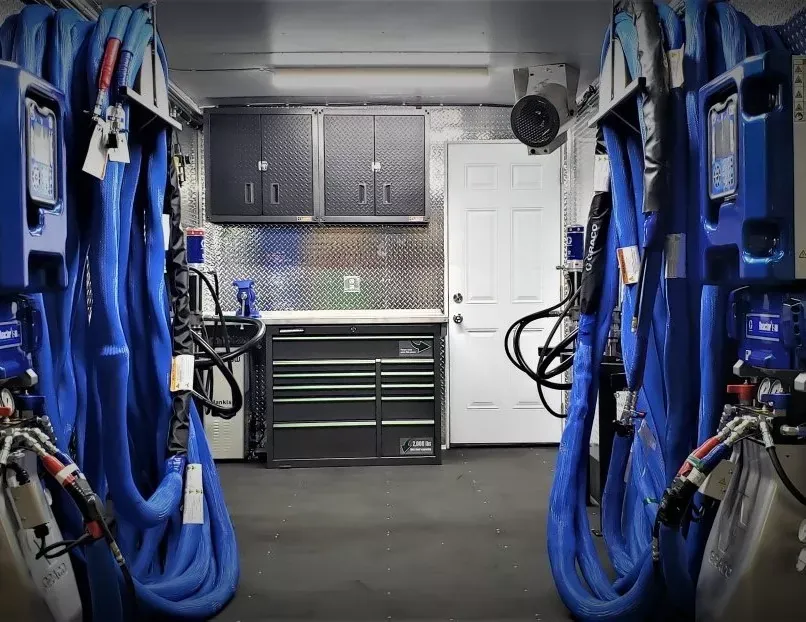
A spray foam rig is a mobile chemical plant. The core components:
- A heated plural-component proportioner — the machine that pumps, heats and meters the two chemicals at the right ratio
- Heated hose, long enough to reach the work from the rig
- A spray gun and spare parts
- A generator sized for the proportioner, hose heat and accessories
- An air compressor and air dryer for the gun and supplied-air respirators
- Transfer pumps and drum heaters or a heated space to keep chemicals at temperature
- Supplied-air respirators and full PPE for every sprayer and helper
- A trailer or box truck to house it all, with storage for drums and supplies
Undersizing the generator or skimping on chemical heating are the two most common equipment mistakes. Cold chemicals and voltage drops both cause off-ratio foam, which wastes material and can fail on the wall.
4. Train — starting with safety
Spray foam chemicals demand respect. Before anyone sprays, OSHA’s Respiratory Protection Standard (29 CFR 1910.134) requires a medical evaluation, a respirator fit test and training, and hazard communication rules apply to the chemicals on your rig. The American Chemistry Council’s Center for the Polyurethanes Industry offers a free online SPF chemical health and safety course that makes a good first step.
Then comes hands-on training: rig setup, temperatures and pressures, mixing, spray technique, troubleshooting off-ratio foam, and how to read a job. Manufacturer training is the fastest route because it is built around the equipment and material you will actually use. Industry certification, such as the Spray Polyurethane Foam Alliance’s Professional Certification Program, builds in levels as you gain field experience.
Re-occupancy matters
Customers will ask when they can go back inside. The answer depends on the product and ventilation — follow the manufacturer’s re-occupancy guidance and explain it clearly before the job starts.
5. Price by the board foot — and know your yield
Foam is bought and sold by the board foot: one square foot, one inch thick. A 1,000 square foot wall at 3 inches is 3,000 board feet. Each set of material is rated to cover a certain number of board feet at perfect yield, but real-world yield is always lower — cold substrates, temperature swings, overspray and technique all eat into it.
Track your actual yield on every job. If you bid assuming 100% and spray at 80%, a fifth of your material margin disappears. Build your price from real numbers: material at your actual yield, labor, rig costs, fuel, overhead and profit. The board-foot estimator is a quick way to size a job.
6. Find your first customers
- A Google Business Profile with real photos and reviews from day one.
- A simple website that shows your work, the areas you serve and a quote form.
- Builders and remodelers — one good builder relationship can fill a calendar.
- Steel building dealers, HVAC contractors and energy auditors — they meet your customers before you do.
- Before-and-after photos of every job, with permission.
7. Add lines of work
Once the rig is busy, the same skills open new markets. Polyurea and roof coatings, concrete lifting, and protective coatings for tanks, floors and truck beds all run on similar equipment and chemistry. Spec your rig with that growth in mind from the start.
Mistakes that sink new applicators
- Buying a used rig with no support behind it, then losing weeks to breakdowns
- Skipping PPE, ventilation or fit testing to save time
- Spraying cold chemicals or onto cold, damp substrates
- Bidding on perfect yield instead of real yield
- Trying to serve every market at once
How ArmorThane helps
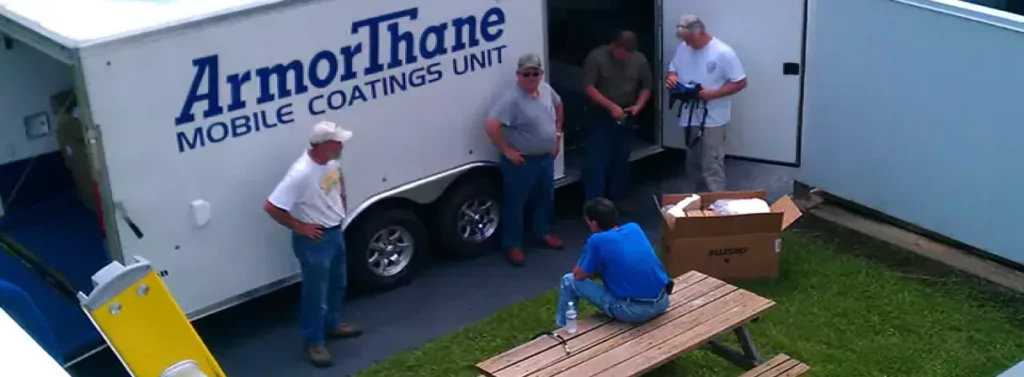
ArmorThane has built spray rigs, made coatings and trained independent applicators since 1989. They build custom trailer and truck rigs, supply ArmorFoam open-cell, closed-cell, roofing and lifting foams, and train new applicators on-site or virtually through certification — with no franchise fee, no royalty and a 24/7 tech line after you launch.
If you are seriously considering a spray foam business, the next step is a conversation about your market, your budget and what you want to spray.
Frequently asked questions
How long does it take to get started?
It depends on how quickly your rig can be built and how fast you complete training and set up your business paperwork. Many new applicators plan for a few months from first conversation to first paid job.
Do I need a trailer or a box truck?
Trailers are flexible and let you use a truck you already own; box trucks keep everything in one vehicle and can be more comfortable in bad weather. Both carry the same core equipment. The right choice depends on your market, budget and how you like to work.
Can I start part-time?
Some people do, especially contractors adding foam to an existing business. Foam work has real fixed costs — equipment payments, insurance, training — so plan how you will keep the rig busy enough to cover them.
Can the same rig spray polyurea?
Yes, if it is specified for it. Polyurea and spray foam both run through heated plural-component proportioners, so a rig can be set up to do both, which opens up coatings work like truck bedliners, floors and tanks.
Start spraying
Ready to talk rigs and training?
Tell us where you are and what you want to spray. ArmorThane will walk you through equipment, material and certification.
(417) 831-5090Keep reading
Related guides
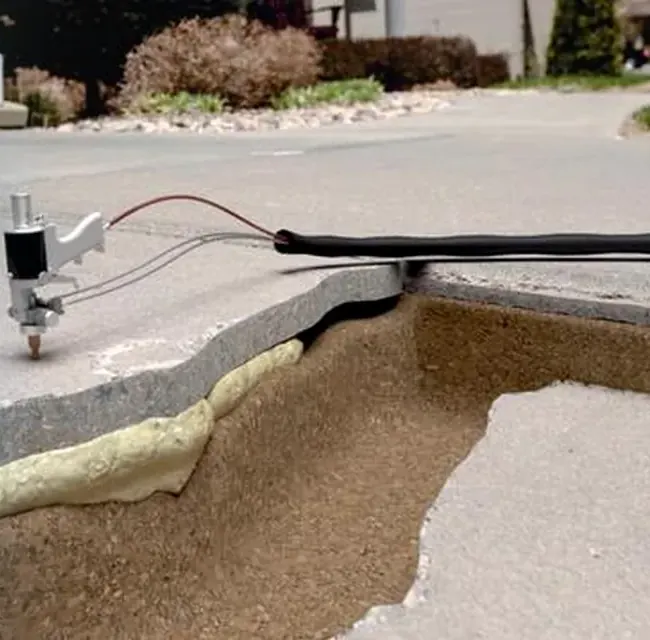
Polyurethane Foam Concrete Lifting: How Polyjacking Works
Sunken driveways, walks and floor slabs can often be raised instead of replaced. How expanding polyurethane lifts concrete, how it compares to…
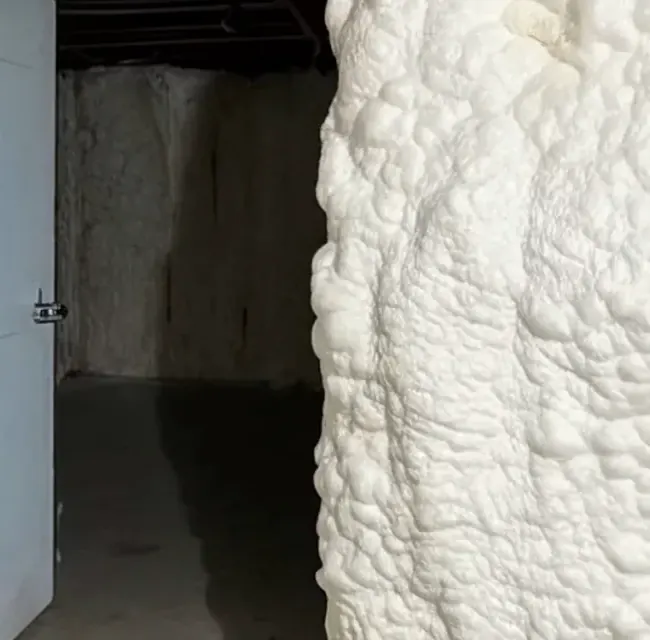
Spray Foam on Basement Walls: Insulating Concrete Without Trapping Moisture
Basement walls lose heat and invite condensation. Why closed-cell foam bonded to the concrete beats a stud wall full of fiberglass, what…
Open-Cell vs. Closed-Cell Spray Foam: Which Goes Where
Density, R-value, moisture and cost explained in plain language — then a location-by-location guide to which foam belongs in attics, walls, rim…