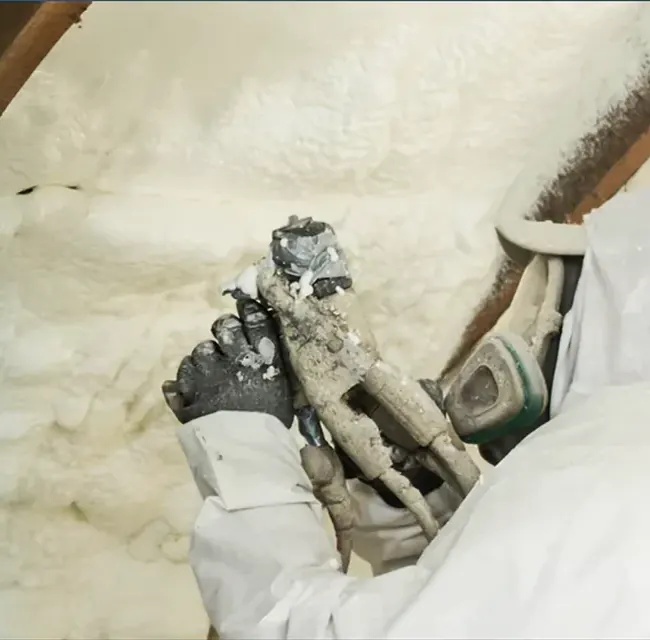
 Attics & roof decks
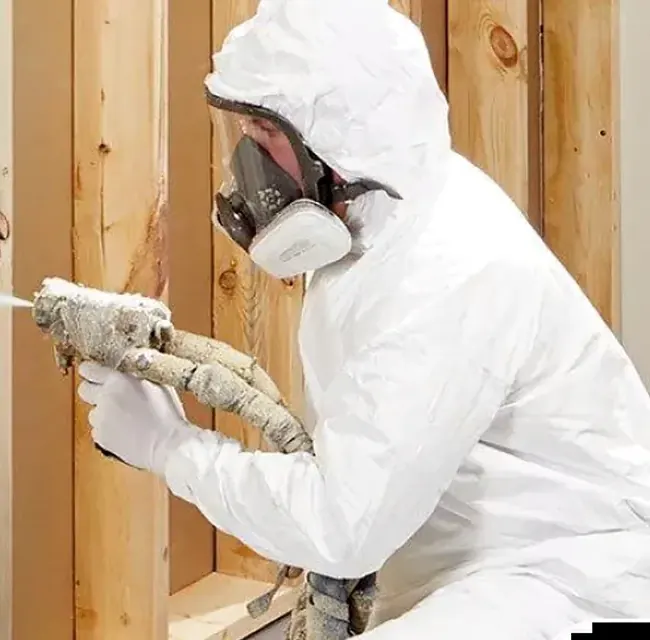 Exterior walls
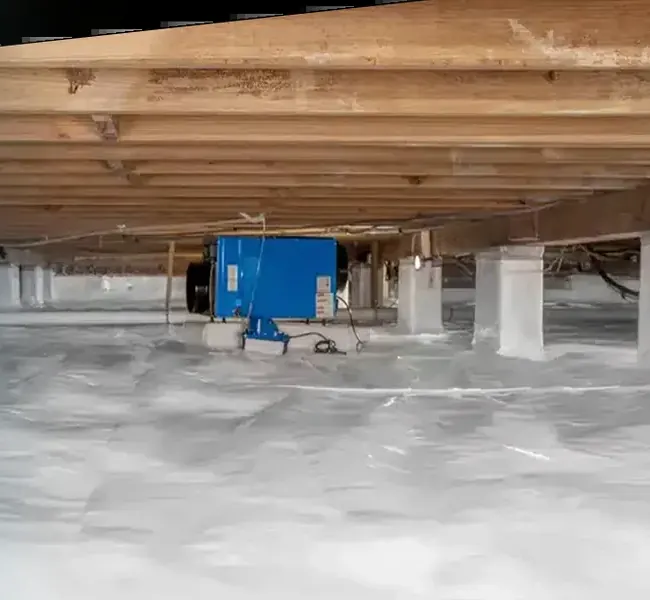 Crawl spaces & rim joists
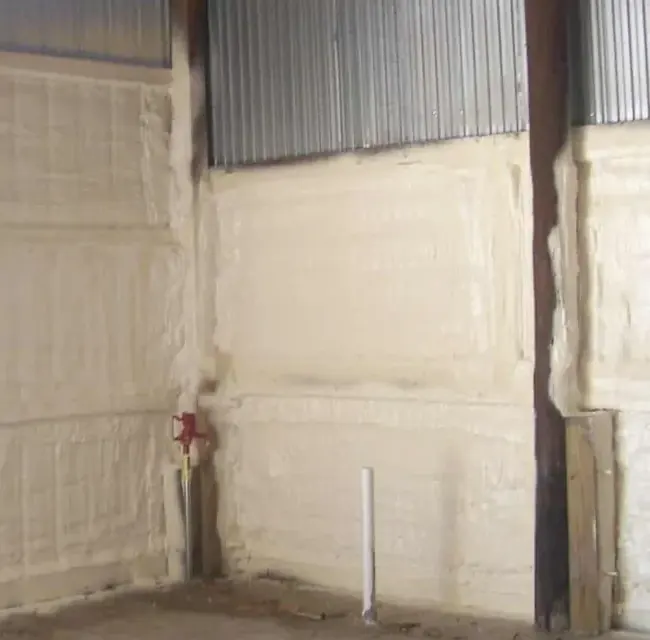 Metal buildings
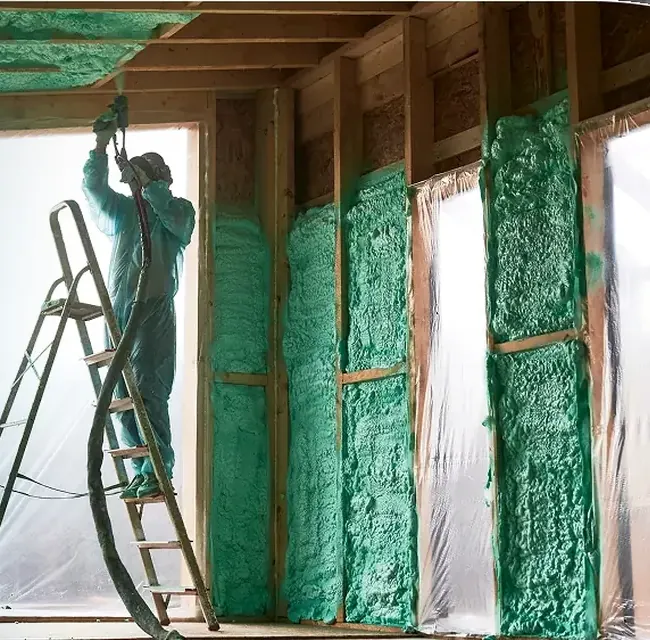 Pole barns, shops & ag
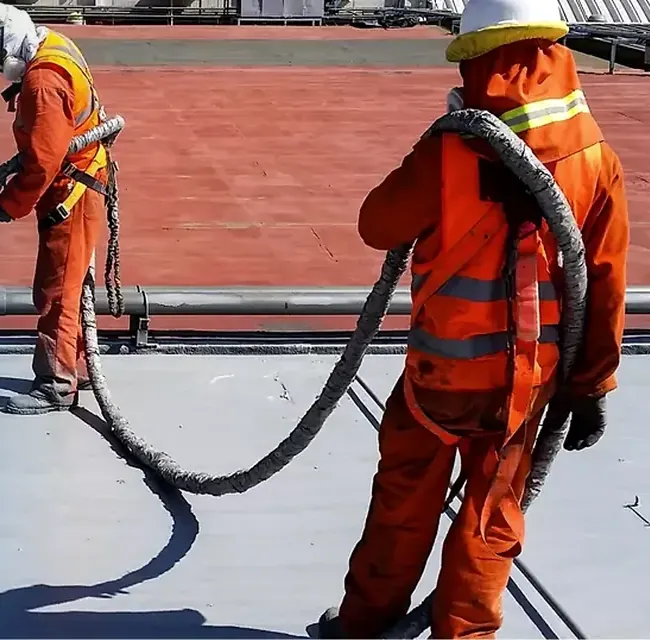 SPF roofing
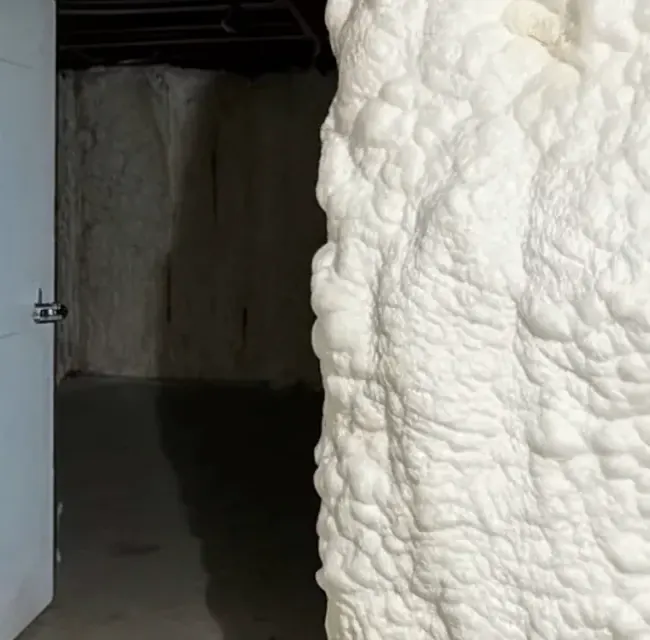 Basement walls
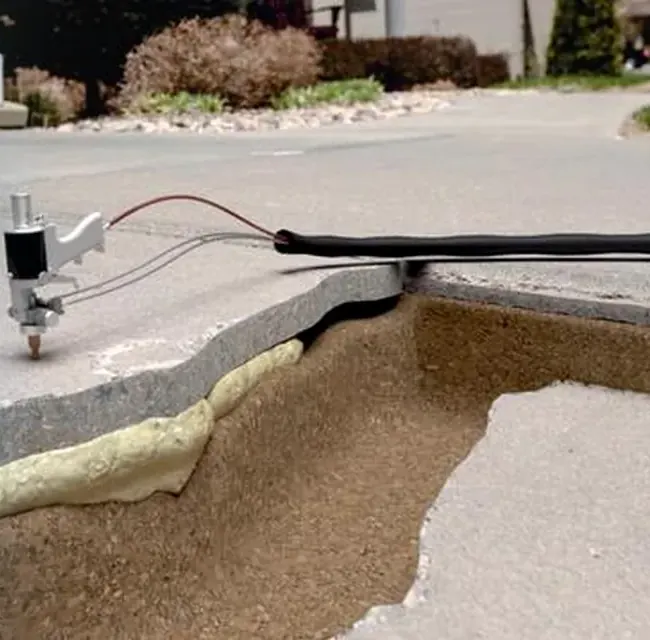 Concrete lifting
Foam Insulation: The Smart Choice for Efficient Homes

Foam insulation offers a versatile and efficient solution for insulating homes and buildings. Understanding the different types of foam insulation and their benefits and unique characteristics can help you make an informed decision.
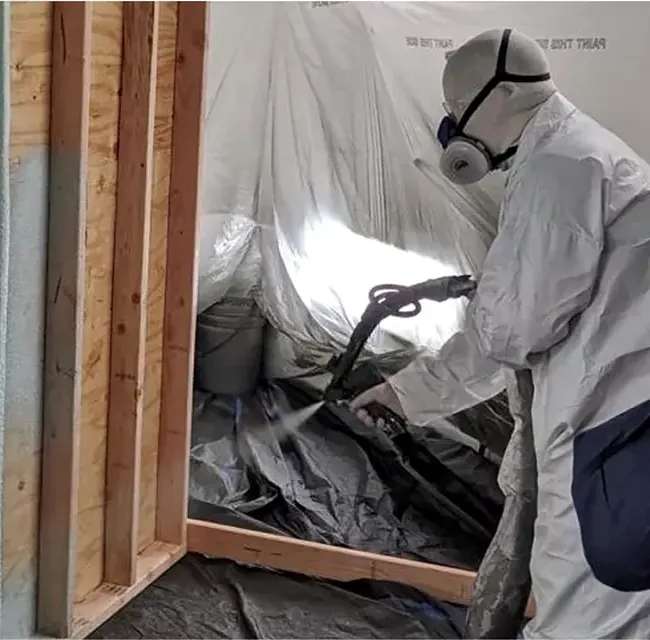
One of the most common types of foam insulation is spray foam. Spray foam comes in two main forms: open-cell and closed-cell. Open-cell spray foam is less dense, allowing air and moisture to pass through. This type of insulation expands after application, filling gaps and creating an effective barrier against air leakage. It also has soundproofing properties, making it a popular choice for interior walls and ceilings.
Closed-cell spray foam, on the other hand, is denser and more rigid. It provides a higher R-value per inch compared to open-cell foam. The R-value measures a material’s thermal resistance, indicating how well it insulates. A higher R-value means better insulation. Closed-cell foam’s high R-value makes it ideal for areas requiring maximum insulation, such as exterior walls, roofs, and foundations. Additionally, its density adds structural strength, making it suitable for reinforcing walls and roofs.
Rigid foam boards are another type of foam insulation. These boards, made from materials such as polystyrene, polyisocyanurate, and polyurethane, offer consistent thickness and R-value. Polystyrene foam boards come in two forms: expanded (EPS) and extruded (XPS). EPS boards are lightweight and provide good insulation at a lower cost. XPS boards are more durable and have a higher R-value, making them suitable for applications requiring higher insulation levels.
Polyisocyanurate foam boards offer the highest R-value per inch among rigid foams. They come with a reflective foil facing, enhancing their thermal resistance by reflecting heat away from the surface. This feature makes them ideal for roof insulation, where reducing heat gain is crucial. Polyurethane foam boards, while similar to polyisocyanurate, are slightly less efficient in terms of R-value but still provide excellent insulation.
Foam-in-place insulation is another option. This type involves injecting foam into walls, floors, or ceilings, where it expands and hardens. Foam-in-place insulation is beneficial for retrofitting older buildings or insulating hard-to-reach areas. It creates an airtight seal, reducing drafts and improving energy efficiency.
One unique aspect of foam insulation is its ability to provide air and moisture barriers. Unlike traditional insulation materials such as fiberglass or cellulose, foam insulation can seal gaps and cracks effectively, preventing air leakage and moisture infiltration. This capability enhances energy efficiency and contributes to better indoor air quality by reducing the entry of allergens and pollutants.
Another advantage of foam insulation is its long lifespan. Foam insulation does not settle or degrade over time, maintaining its R-value and effectiveness for many years. This durability ensures consistent performance and energy savings throughout the life of the building.
Foam insulation also offers fire-resistant properties. While no insulation material is entirely fireproof, certain foam insulations, particularly those treated with fire retardants, can slow the spread of flames and reduce smoke production. This added safety feature is crucial in residential and commercial buildings.
Environmental considerations play a role in choosing foam insulation. Many foam insulation products now use blowing agents with low global warming potential (GWP), reducing their environmental impact. Additionally, some foam insulations are made from renewable or recycled materials, offering a more sustainable option for eco-conscious consumers.
In terms of installation, foam insulation requires professional application to ensure optimal performance. Spray foam, in particular, needs precise mixing and application to achieve the desired expansion and coverage. Improper installation can lead to gaps, voids, and reduced insulation effectiveness. Therefore, hiring experienced professionals for foam insulation installation is essential.
Cost is another factor to consider when choosing foam insulation. While foam insulation tends to be more expensive upfront compared to traditional materials like fiberglass, its superior performance and long-term energy savings can offset the initial investment. The improved energy efficiency can lead to lower heating and cooling costs, providing a return on investment over time.
Foam insulation also contributes to structural integrity. Closed-cell spray foam, in particular, adds rigidity to walls and roofs, enhancing their strength and durability. This reinforcement can benefit areas prone to severe weather conditions, such as hurricanes or heavy snowfall.
In conclusion, foam insulation offers numerous advantages, making it a smart choice for modern homes and buildings. Its superior R-value, air and moisture barrier properties, long lifespan, fire resistance, and environmental benefits make it stand out among insulation options. Understanding the different types of foam insulation and their unique characteristics can help you select the best solution for your insulation needs. Whether for new construction or retrofitting existing structures, foam insulation provides a reliable and efficient way to enhance comfort, reduce energy costs, and improve overall building performance.
Next step
Get the right foam for your building.
Share a few details and the ArmorThane team will follow up with recommendations, pricing guidance and an applicator.
(417) 831-5090Keep reading
Related guides
Open-Cell vs. Closed-Cell Spray Foam: Which Goes Where
Density, R-value, moisture and cost explained in plain language — then a location-by-location guide to which foam belongs in attics, walls, rim…

How to Start a Spray Foam Insulation Business
Equipment, training, licensing, insurance, pricing and finding the first customers — a practical roadmap for launching a spray foam insulation company, and…
Polyurethane Foam Concrete Lifting: How Polyjacking Works
Sunken driveways, walks and floor slabs can often be raised instead of replaced. How expanding polyurethane lifts concrete, how it compares to…