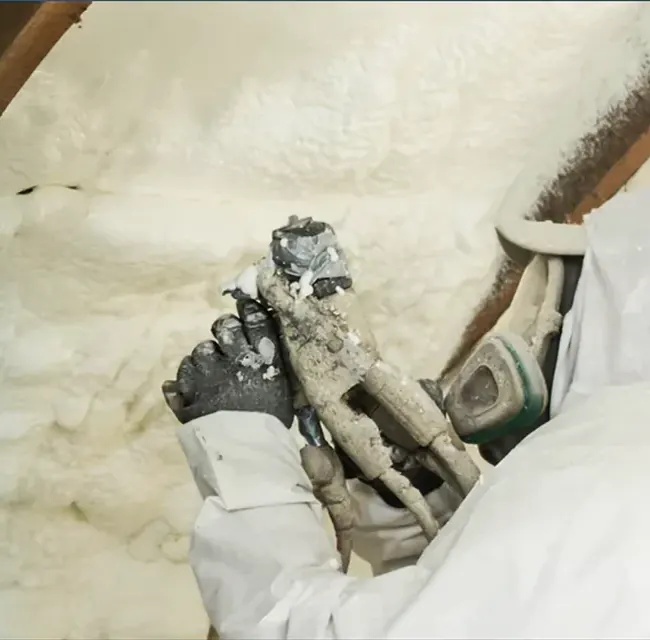
 Attics & roof decks
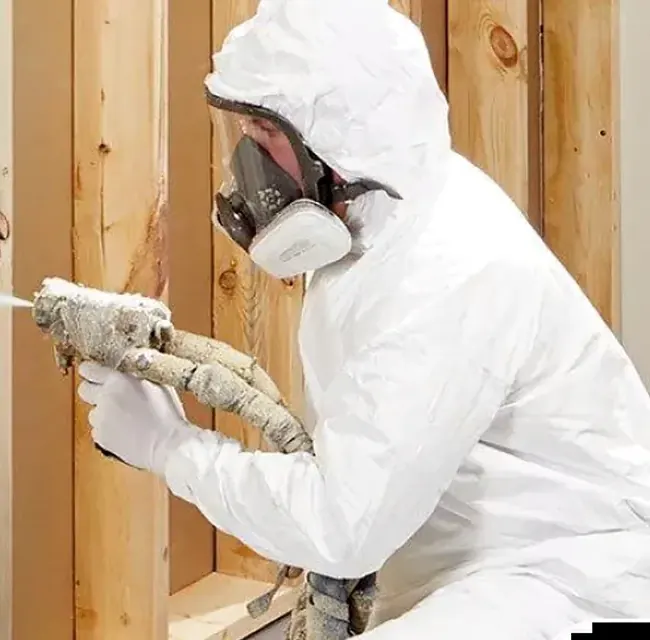 Exterior walls
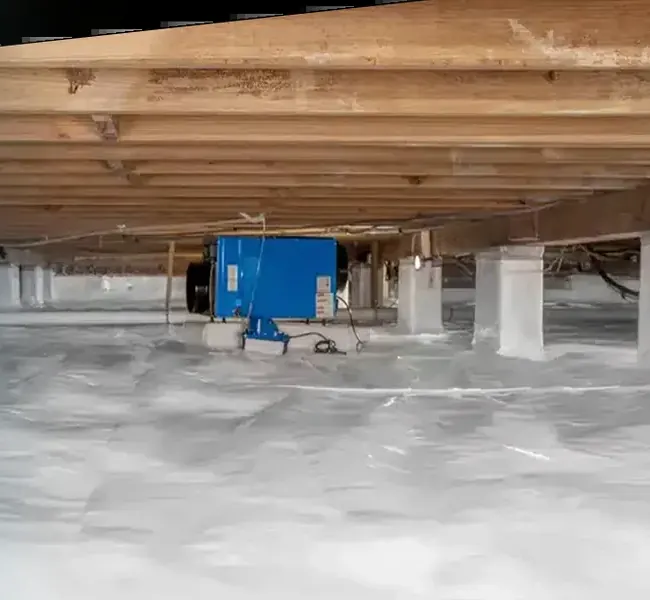 Crawl spaces & rim joists
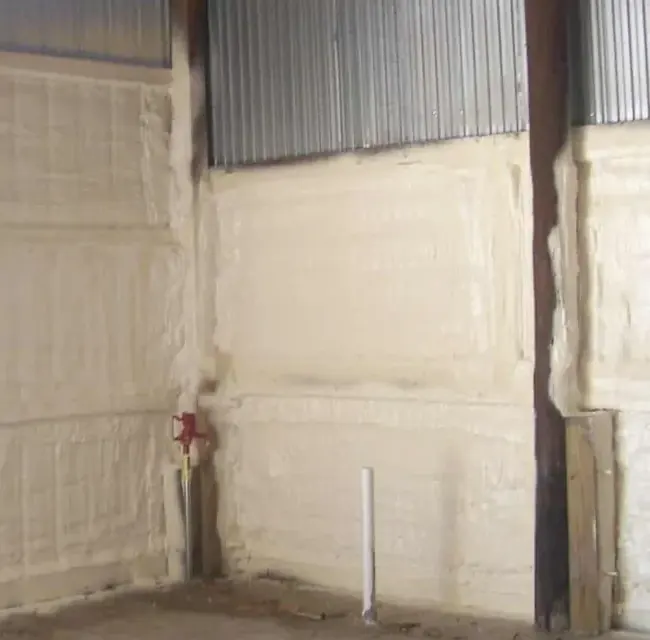 Metal buildings
 Pole barns, shops & ag
 SPF roofing
 Basement walls
 Concrete lifting
Foam Insulation: Unveiling the Mystery of “Greasy Cow Syndrome”
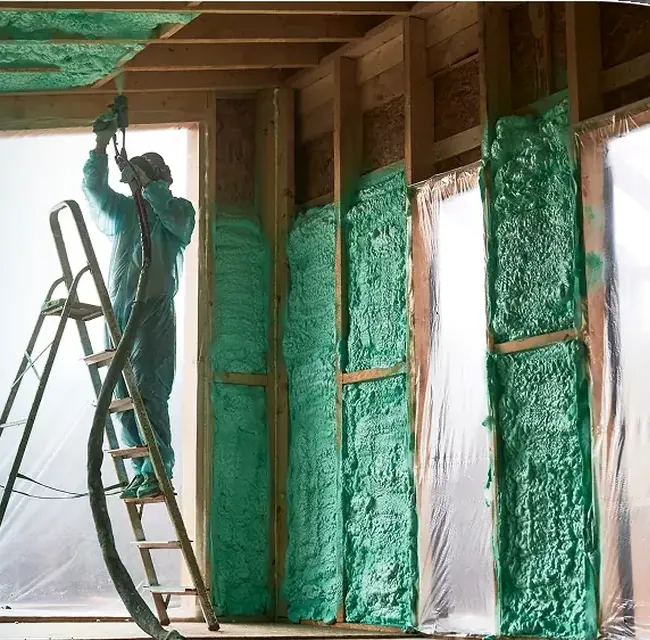
The construction world often finds itself embroiled in unique challenges, many of which arise from the materials that promise energy efficiency and durability. A rather unusual phenomenon is the “Greasy Cow Syndrome” involving foam insulation. As baffling as the name suggests, this topic has sparked interest and perplexity, particularly in agricultural settings where foam insulation is both a blessing and a puzzle.
The Enigma of Greasy Cow Syndrome
Greasy Cow Syndrome first emerged in dairy farms where foam insulation was used liberally. Farmers noticed a waxy substance coating their cows, which impacted the herd’s hygiene and possibly health. This occurrence raised eyebrows and questions about the interaction between foam insulation materials and the barn environment.
The main hypothesis is that specific environmental conditions and chemical reactions cause the foam insulation to degrade. The breakdown releases compounds that settle as a greasy film. Investigations suggest that temperature fluctuations, humidity, and the presence of ammonia compounds in manure may accelerate this process. While foam insulation offers excellent energy savings, understanding its interactions in barns is crucial to mitigate unexpected effects.
Foam Insulation in Agricultural Settings
Foam insulation serves as a popular choice for barns because it regulates temperature effectively. It maintains a stable environment, crucial for both livestock comfort and energy cost reduction. The material’s ability to create a snug seal prevents drafts and enhances the efficiency of heating and cooling systems. Farmers appreciate these benefits, yet the emergence of greasy residues raises questions about the broader implications of using foam insulation extensively in agriculture.
To harness its advantages without unintended side effects, careful attention must be given to its application and maintenance. Proper installation and ventilation can reduce the chances of degradation, ensuring that farmers enjoy the insulation’s benefits without encountering surprises like Greasy Cow Syndrome.
Chemical Reactions at Play
In tackling Greasy Cow Syndrome, grasping the chemistry behind foam insulation is key. Typically, spray foam insulation, made from polyurethane, interacts with environmental factors in barns. Humidity and temperatures play significant roles, with high concentrations triggering intersections between organic materials and insulation compounds.
Researchers focus on understanding these interactions to innovate formulations that better suit agricultural environments. By tweaking components, experts aim to develop foam insulation that resists degradation, providing stable protection while minimizing chemical emissions.
Exploring Solutions and Innovations
The agricultural sector seeks solutions for Greasy Cow Syndrome, balancing the need for efficient insulation with animal welfare. Modifications in foam compositions offer promising results, with new variants showing resilience against the barn’s typical environmental stressors.
Detecting early signs of degradation through routine inspections could stave off complications. Additionally, providing adequate ventilation becomes crucial since fresh air circulation diminishes the build-up of aggravating compounds. Engineers and scientists continue to refine insulation methods, applying insights from these challenges to enhance existing products.
The Broader Implications
Though initially a niche concern, Greasy Cow Syndrome emphasizes broader considerations about insulation materials. It underscores the necessity of context-sensitive applications, where materials tailored for one setting may not seamlessly fit another. This case broadens the conversation about sustainable insulation practices and forces a reckoning with how materials interact in real-world scenarios.
Backed by research and driven by innovation, the dialogue around foam insulation and its quirky challenges like Greasy Cow Syndrome guides us toward better construction practices. The goal remains clear: embracing technology’s benefits while navigating its quirks with informed care and adaptive solutions.
Conclusion
Foam insulation presents a fascinating study of the unexpected, prompting exploration far beyond its standard applications. The Greasy Cow Syndrome serves as a reminder of the surprises embedded in modern technologies, urging progress through informed strategies. In agriculture and beyond, overcoming these unique hurdles ensures that the advantages of foam insulation are harnessed safely and effectively, maintaining harmony in our technological advancements and their ripple effects.
Next step
Get the right foam for your building.
Share a few details and the ArmorThane team will follow up with recommendations, pricing guidance and an applicator.
(417) 831-5090Keep reading
Related guides
Spray Foam for Pole Barns, Shops and Ag Buildings
Post-frame buildings fight condensation, dust, pests and washdown. How closed-cell foam and protective coatings handle each one — with starting thicknesses by…
How to Start a Spray Foam Insulation Business
Equipment, training, licensing, insurance, pricing and finding the first customers — a practical roadmap for launching a spray foam insulation company, and…

Polyurethane Foam Concrete Lifting: How Polyjacking Works
Sunken driveways, walks and floor slabs can often be raised instead of replaced. How expanding polyurethane lifts concrete, how it compares to…