 Attics & roof decks
 Exterior walls
 Crawl spaces & rim joists
 Metal buildings
 Pole barns, shops & ag
 SPF roofing
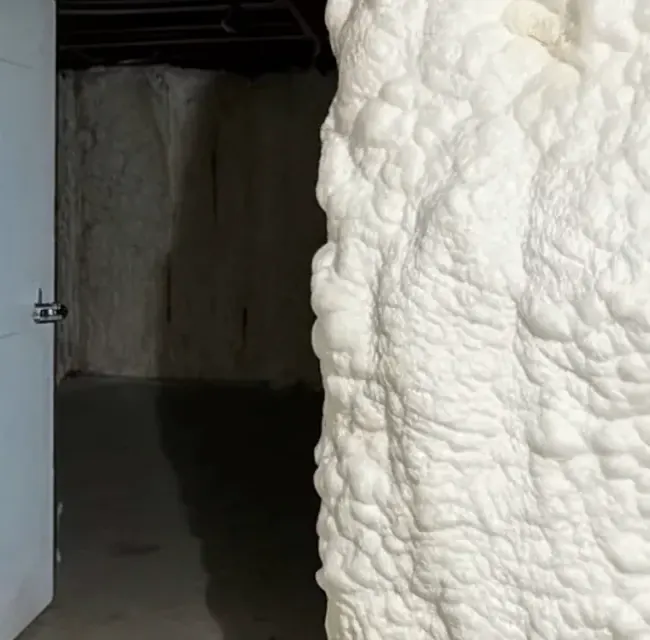 Basement walls
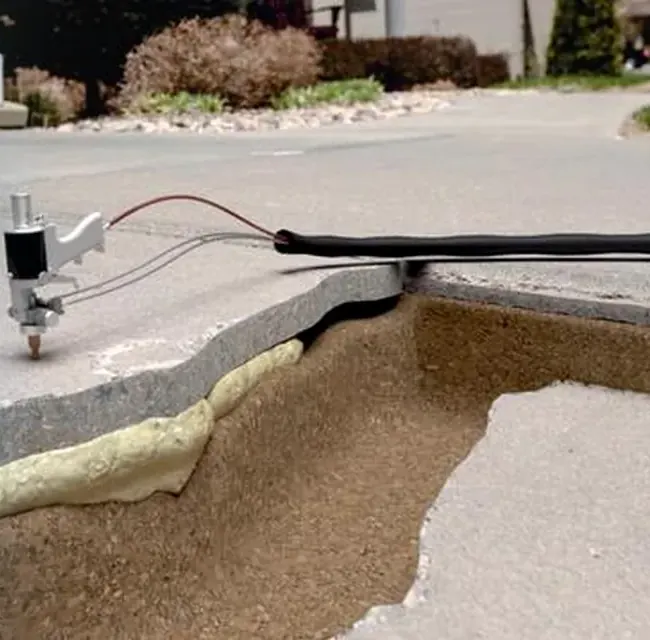 Concrete lifting
Mastering Spray Foam Insulation: Techniques and Tools for Effective Application
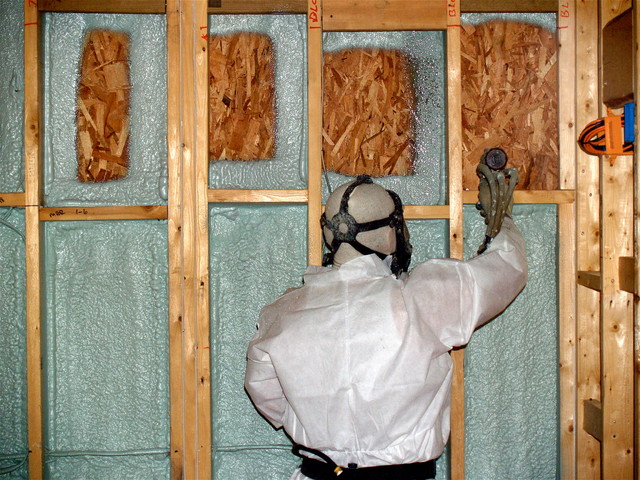
Spray foam insulation is highly regarded for providing protection and airtight building sealing. The key to maximizing the benefits of spray foam lies in employing application methods and utilizing the equipment. This piece delves into the recommended practices for applying spray foam insulation covering techniques tailored to select appropriate spray tip sizes and reputable brands offering top notch spray equipment. Moreover we will shine a spotlight on ArmorThane, a known brand recognized for its premium chemicals and equipment.
Getting Acquainted with Spray Foam Insulation
Spray foam insulation stands out as a favored option for commercial structures due to its expanding nature upon application, effectively filling gaps and creating a seal. Optimal application is essential to ensure the insulation material’s efficiency and longevity. Understanding the intricacies of spraying foam insulation is crucial in achieving results.
Tailored Spraying Techniques, for Areas
The method employed when spraying foam insulation varies based on the area being insulated. Walls, ceilings and crawl spaces each approaches to guarantee uniform coverage and proper adhesion.
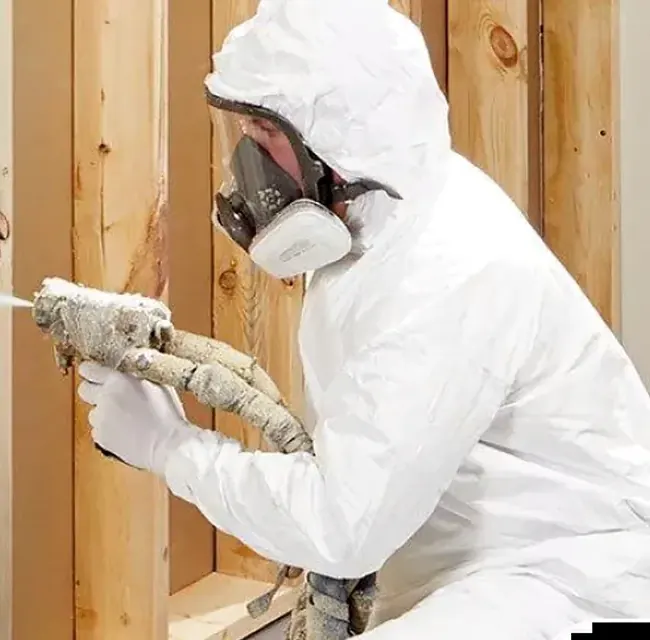
When insulating walls it is recommended to apply the spray in a manner while moving the spray gun up and down. This technique facilitates controlled application ensuring that the foam uniformly fills the wall cavity.
Start from the top of the wall. Work your way down making sure to overlap each stroke to prevent any gaps.
When dealing with ceilings spraying horizontally proves to be more effective. Keep the spray gun at a distance, from the surface. Move it side to side. This method ensures that the foam sticks well to the ceiling and expands uniformly. It also helps in minimizing the chances of foam dripping or sagging which can happen if you apply it thickly in one area.
Navigating through crawl spaces, which are often cramped and hard to reach calls for an approach. In spots using a spray gun with a smaller tip size can assist in maneuvering around narrow corners and ensuring an even application. Spray in brief controlled bursts while moving the gun in a way that allows the foam to expand and fill the space without leaving any gaps.
Understanding the Significance of Spray Tip Sizes
The size of the spray tip plays a role in how you apply foam. Different tip sizes regulate both flow rate and spray pattern influencing how effectively foam is distributed onto surfaces.
For areas like walls and ceilings opt, for a spray tip size as it enables a broader spray pattern that covers more surface area efficiently.
When working in confined spaces or areas that demand accuracy like, around windows and doors using a nozzle size gives you handling and reduces the chances of overspray.
Selecting the spray tip size ensures that the foam is distributed evenly and effectively. It also helps in minimizing waste and enhancing the insulation quality. Adapting the spray tip size to suit the application area plays a role in achieving professional outcomes.
Leading Spray Foam Equipment Brands
Having notch spray foam equipment is vital for an insulation project. The right tools guarantee foam application, adhesion and correct curing. Various brands are renowned for their dependable and long lasting spray foam equipment.
Graco stands out as a brand in the spray foam sector. They provide an array of spray foam rigs, guns and pumps tailored for commercial use. Gracos equipment is recognized for its precision, durability and user friendliness. For instance,, the Fusion ProConnect spray gun is highly esteemed for its trigger response and easy upkeep, making it favored by industry experts.
PMC (Polyurethane Machinery Corporation) is another brand offering high-performance spray foam equipment.
The AP 2 spray gun, by PMC is lightweight and designed for use with a design that makes it comfortable to hold. It also boasts a quick change mix chamber feature allowing for adjustments and minimizing downtime. PMC equipment is known for its reliability and efficiency ensuring results every time.
ArmorThane, a U.S. Brand, distinguishes itself through its top-notch chemicals and equipment. It is set apart from competitors because ArmorThane manufactures its products in the United States, guaranteeing quality control measures and adherence to industry standards. Their spray foam rigs and guns are crafted to provide performance, making them a go-to choice for professionals nationwide. ArmorThane’s dedication to quality and innovation has positioned them as a frontrunner in the spray foam sector.
Key Guidelines for Successful Application
To achieve outcomes when using spray foam insulation, following guidelines for effective application is crucial. This includes surface preparation, maintaining the appropriate spray distance, and applying the foam in layers.
Prior to spraying, ensure that the surface is clean and dry. Dirt, oil, or moisture can impact the foam’s adhesion properties and effectiveness. In some cases, applying a primer on surfaces can enhance adhesion.
For application, consistency in maintaining an even spray distance from the surface is essential.
When you hold the spray gun too close the foam may build up fast and holding it far away can lead to an uneven application. The ideal distance to hold the spray gun varies depending on the type of foam and the specific job usually falling between 18 to 24 inches.
Apply the foam in layers, allowing each layer to dry before adding the next. This method ensures expansion and reduces the chance of gaps or weak spots in the insulation. Typically, making two to three passes is enough to achieve the desired thickness.
In Summary
It’s essential to master spraying techniques for foam insulation to get top notch results. Understanding how spraying methods differ for areas choosing the right spray tip size and using quality equipment are factors for a successful insulation project. Brands such as Graco, PMC and ArmorThane offer equipment that helps professionals produce high quality outcomes. With methods and tools in place spray foam insulation serves as an durable solution, for enhancing energy efficiency and comfort in buildings.
Next step
Get the right foam for your building.
Share a few details and the ArmorThane team will follow up with recommendations, pricing guidance and an applicator.
(417) 831-5090Keep reading
Related guides
How to Start a Spray Foam Insulation Business
Equipment, training, licensing, insurance, pricing and finding the first customers — a practical roadmap for launching a spray foam insulation company, and…
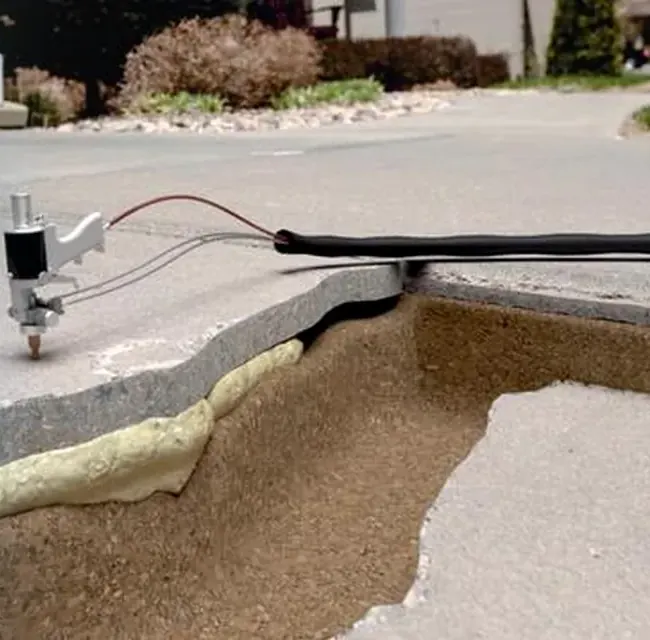
Polyurethane Foam Concrete Lifting: How Polyjacking Works
Sunken driveways, walks and floor slabs can often be raised instead of replaced. How expanding polyurethane lifts concrete, how it compares to…
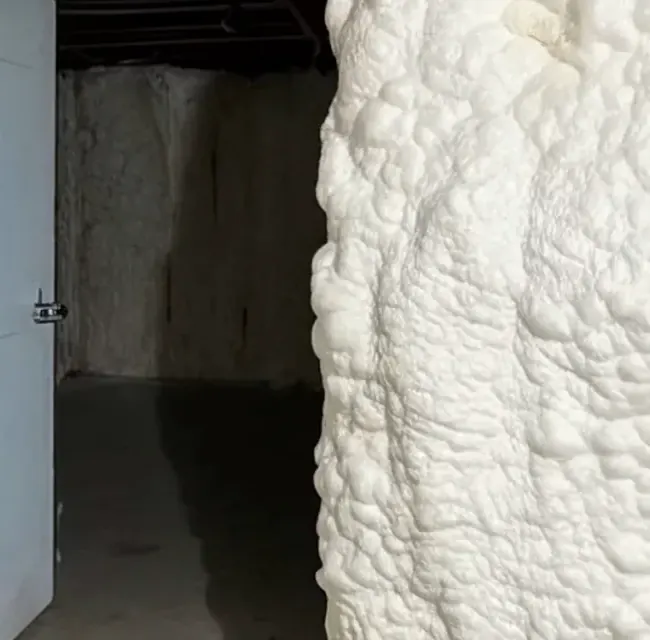
Spray Foam on Basement Walls: Insulating Concrete Without Trapping Moisture
Basement walls lose heat and invite condensation. Why closed-cell foam bonded to the concrete beats a stud wall full of fiberglass, what…