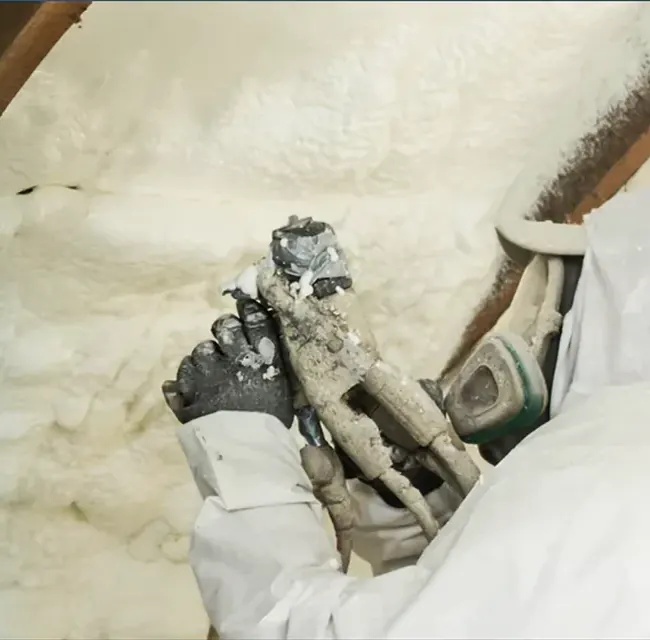
 Attics & roof decks
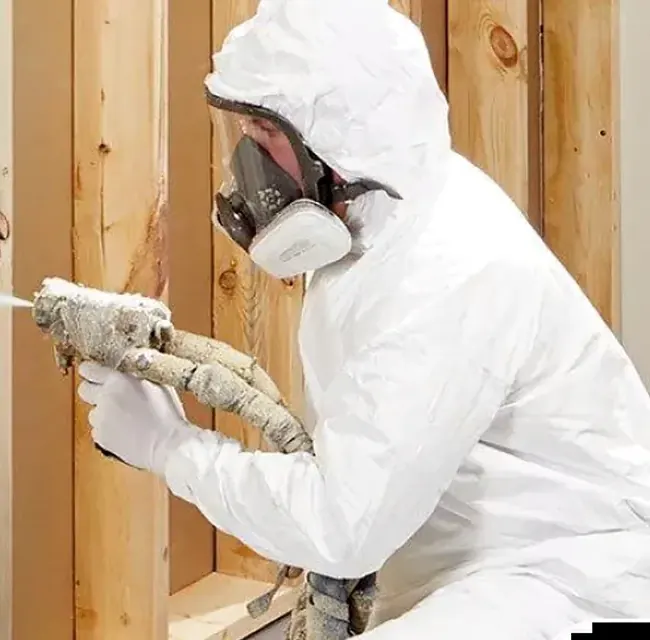 Exterior walls
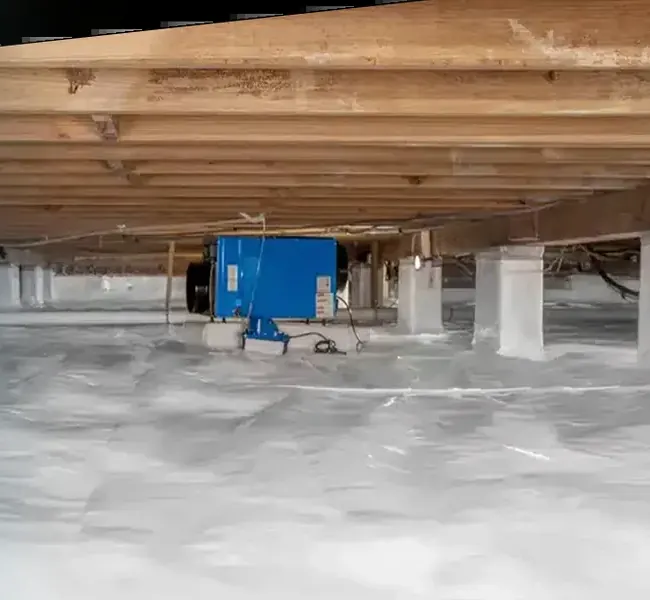 Crawl spaces & rim joists
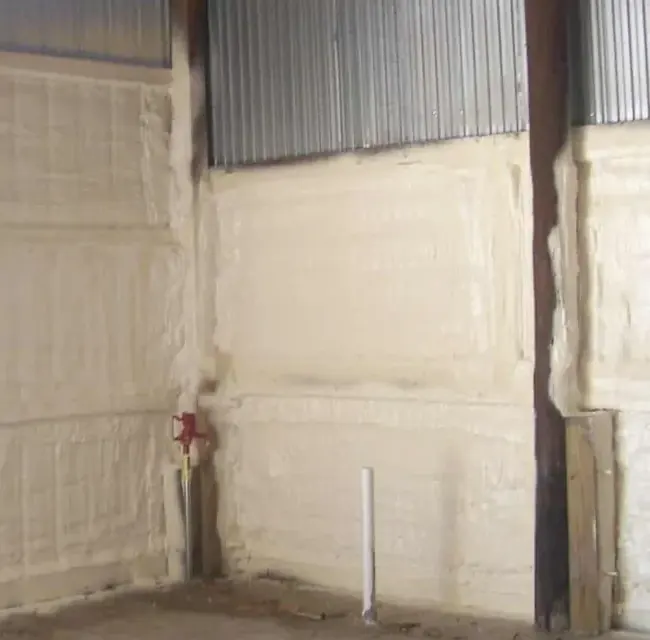 Metal buildings
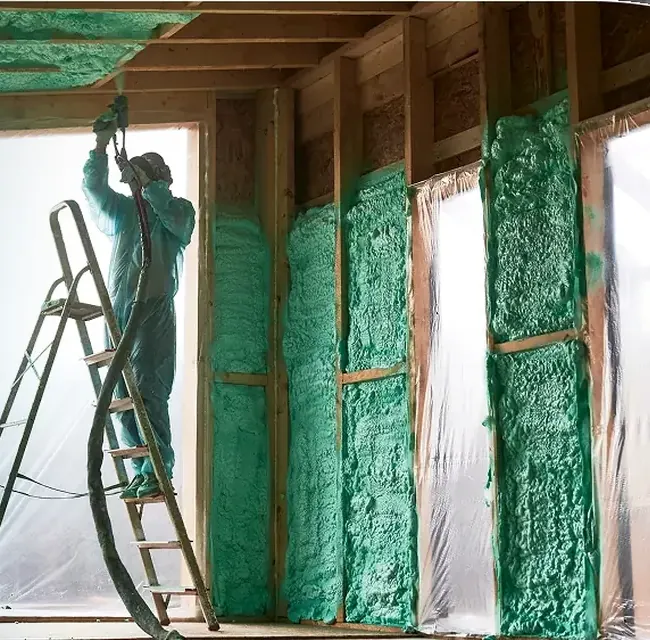 Pole barns, shops & ag
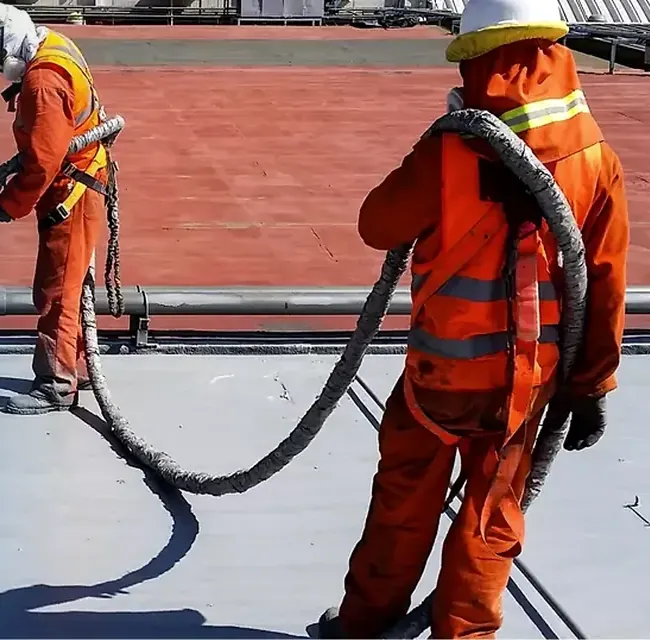 SPF roofing
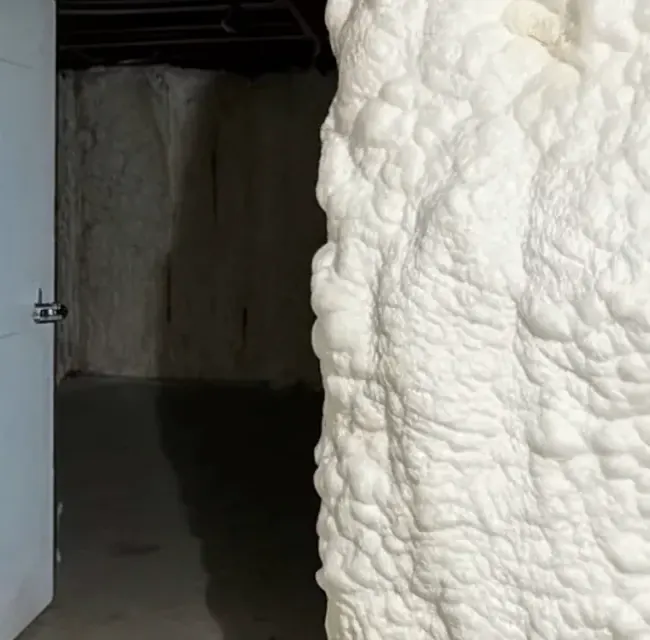 Basement walls
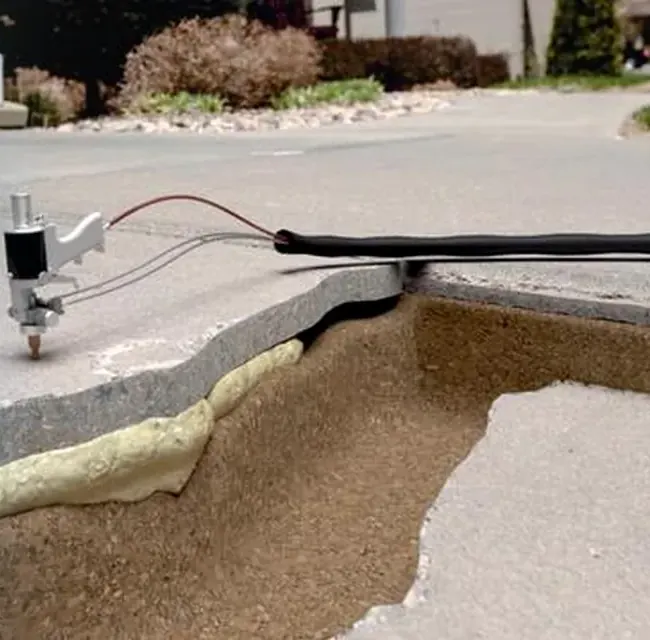 Concrete lifting
Open-Cell vs. Closed-Cell Spray Foam: Which Goes Where
Density, R-value, moisture and cost explained in plain language — then a location-by-location guide to which foam belongs in attics, walls, rim joists, crawl spaces, basements and metal buildings.
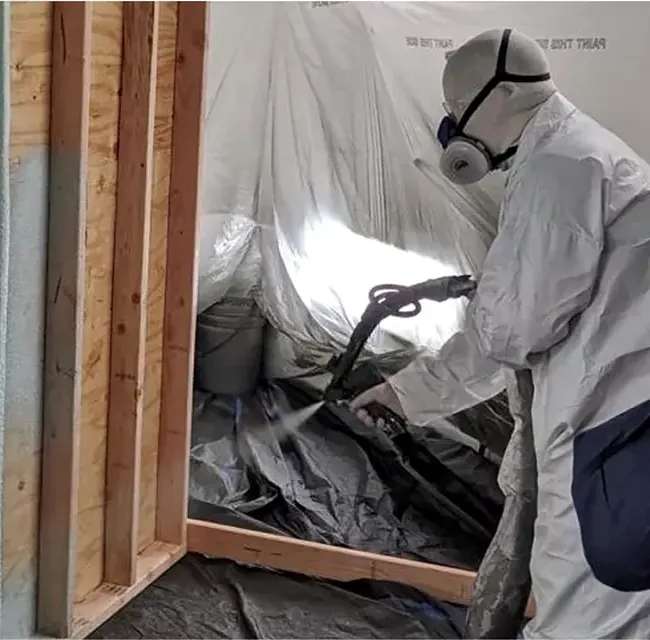
Key takeaways
- Closed-cell (about 2 lb) is dense, rigid and moisture-resistant, at roughly R-6 to R-7 per inch.
- Open-cell (about 0.5 lb) is soft, vapor-open and less expensive, at roughly R-3.5 to R-3.8 per inch.
- Use closed-cell anywhere moisture, below-grade conditions, metal or thin cavities are involved.
- Open-cell is a strong value for deep wall bays, many attic roof decks and sound control.
“Spray foam” is two very different materials that happen to come out of the same gun. Choosing between them is the most important decision in most foam projects, and it is not about which one is “better.” It is about which one belongs in the spot you are insulating.
The short version
| Open-cell | Closed-cell | |
|---|---|---|
| Density | About 0.5 lb/ft³ | About 2 lb/ft³ |
| Typical R-value per inch | About R-3.5 to 3.8 | About R-6 to 7 |
| Feel | Soft, spongy | Rigid, hard |
| Air barrier | Yes, at sufficient thickness | Yes |
| Vapor | Vapor-open | Vapor retarder at about 1.5–2 in |
| Adds strength | No | Yes — racking and impact |
| Below grade / wet areas | Not recommended | Yes |
| Expansion | Large — fills deep bays fast | Smaller — sprayed in lifts |
| Cost per board foot | Lower | Higher |
What “open” and “closed” actually mean
Both foams start as two liquids — an isocyanate “A side” and a resin “B side” — mixed at the spray gun. They react, expand and cure in seconds.
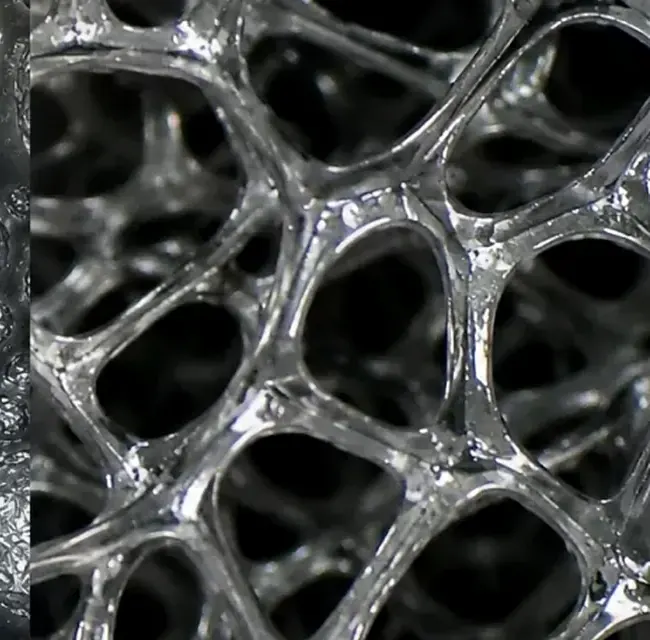
In open-cell foam, the tiny cells break open as they form. The result is light and flexible, with air filling the cells. Air and water vapor can move through the foam slowly, but it still stops air leakage when installed thick enough, because the cell structure is tortuous.
In closed-cell foam, the cells stay intact and hold a gas with better insulating properties than air. That gives closed-cell its higher R-value per inch, its rigidity, and its resistance to water and vapor. The U.S. Department of Energy sums it up: closed-cell has a greater R-value and stronger resistance to moisture and air leakage, but is denser and more expensive, and open-cell should not be used below ground level where it could absorb water.
Location by location
| Location | Usual pick | Why |
|---|---|---|
| Attic roof deck (unvented attic) | Either | Both work to code. In climate zones 5–8, open-cell typically needs a vapor retarder coating; closed-cell fits shallow rafters. |
| 2×4 exterior walls | Closed-cell | About R-20 or more in 3.5 inches, plus wall stiffness. |
| 2×6 exterior walls | Open-cell | Fills 5.5 inches to about R-20 for less money. Closed-cell or a hybrid in cold climates or tight specs. |
| Rim and band joists | Closed-cell | Air seal plus condensation control on a cold board. |
| Crawl space walls | Closed-cell | Moisture tolerance and a vapor retarder in a damp space. |
| Basement walls | Closed-cell | Bonds to concrete, tolerates moisture, no cold cavity behind it. |
| Metal buildings and pole barns | Closed-cell | Keeps humid air off cold steel; stiffens panels. |
| Interior walls, media rooms | Open-cell | Better sound absorption, low cost. |
| Flood-prone areas | Closed-cell | FEMA lists closed-cell foam among acceptable flood damage-resistant insulation. |
| Tanks, coolers, cold storage | Closed-cell | High R per inch and moisture resistance. |
Moisture is usually the deciding factor
If the location can get wet, sits against concrete or soil, or has a cold surface that warm, humid air could reach, closed-cell is almost always the answer. Its low vapor permeance and rigid structure keep moisture out of the assembly.
Open-cell’s vapor-open nature is not a flaw; it is a feature in the right place. In walls and roofs that need to dry inward, it lets them. It just needs the assembly designed around it — which is why cold-climate roof decks get a vapor retarder coating over open-cell foam.
Space and budget come next
When you have room, open-cell reaches a given R-value for less money. A 2×6 wall filled with open-cell lands around R-20. To get the same in a 2×4 wall, you need closed-cell. Shallow rafters, cathedral ceilings and anywhere you cannot add depth push you toward closed-cell.
The hybrid option
“Flash and batt” or “flash and fill” pairs a thin layer of closed-cell — enough to air-seal and control condensation — with less expensive fiberglass, mineral wool or open-cell for the remaining R-value. It is popular in cold climates, where code sets a minimum foam R-value at the roof deck for condensation control and the rest can be air-permeable.
Rule of thumb
Wet, cold, below grade, metal or thin? Closed-cell. Deep cavity, interior, sound control, budget-sensitive? Open-cell. Somewhere in between? Ask about a hybrid.
A quick decision path
Use the thickness calculator to see how many inches each foam needs for your target R-value — and whether it fits the framing you have.
Frequently asked questions
Is closed-cell always better because it has a higher R-value?
No. Closed-cell gives more R-value per inch, but if you have room for thickness, open-cell can reach the same total R-value for less money. The right choice depends on space, moisture and whether you need strength or a vapor retarder.
Does open-cell foam absorb water?
Open-cell foam can take on water if it is soaked, and it dries out slowly. That is why it is kept out of below-grade and flood-prone locations, where closed-cell is the standard.
Which foam is better for soundproofing?
Open-cell foam absorbs mid- and high-frequency sound better, so it is the usual pick for interior walls and media rooms. Neither foam replaces mass and decoupling for low-frequency noise.
Next step
Get the right foam for your building.
Share a few details and the ArmorThane team will follow up with recommendations, pricing guidance and an applicator.
(417) 831-5090Keep reading
Related guides

Foam Insulation: The Smart Choice for Efficient Homes
Foam insulation offers a versatile and efficient solution for insulating homes and buildings. Understanding the different types of foam insulation and their…
How to Start a Spray Foam Insulation Business
Equipment, training, licensing, insurance, pricing and finding the first customers — a practical roadmap for launching a spray foam insulation company, and…
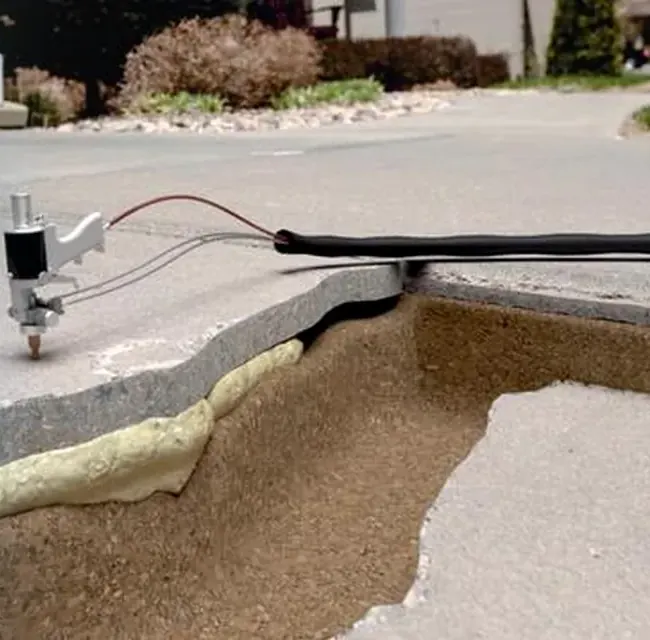
Polyurethane Foam Concrete Lifting: How Polyjacking Works
Sunken driveways, walks and floor slabs can often be raised instead of replaced. How expanding polyurethane lifts concrete, how it compares to…