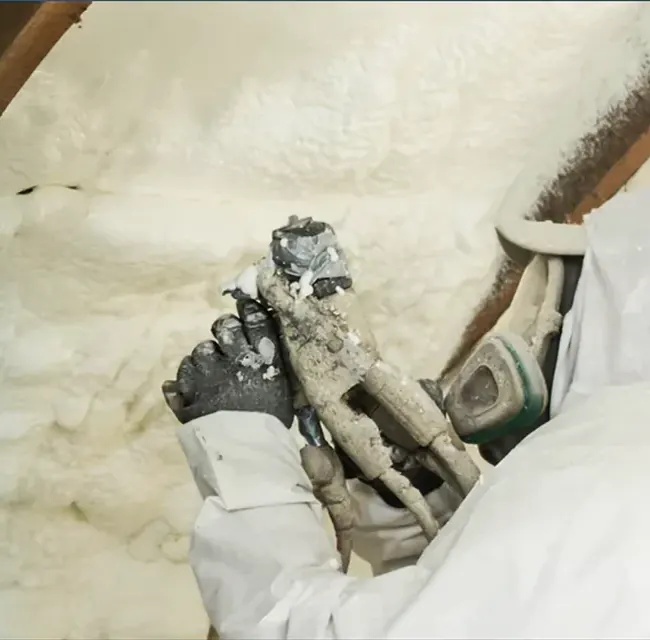
 Attics & roof decks
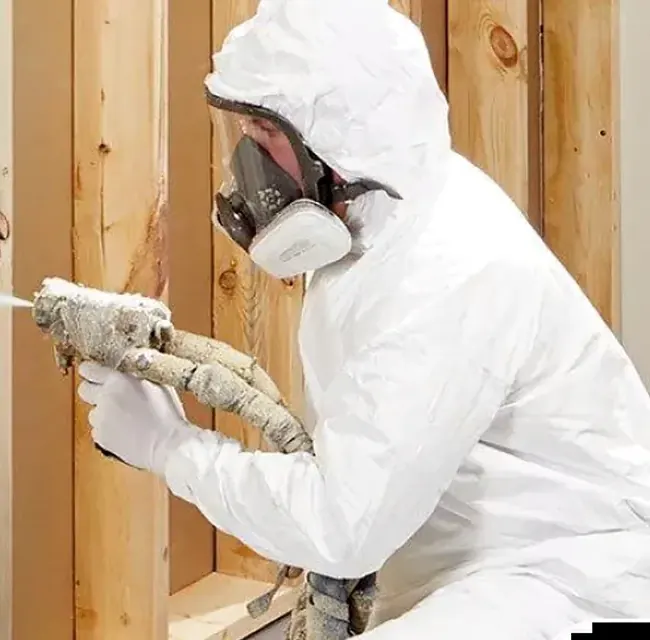 Exterior walls
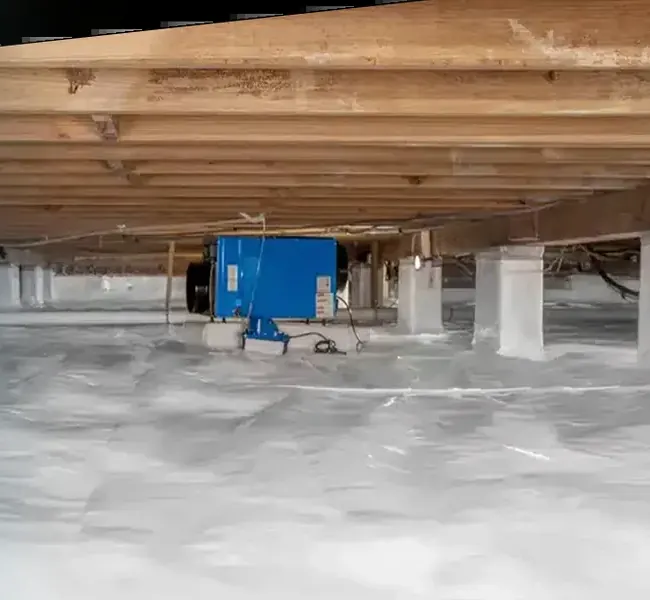 Crawl spaces & rim joists
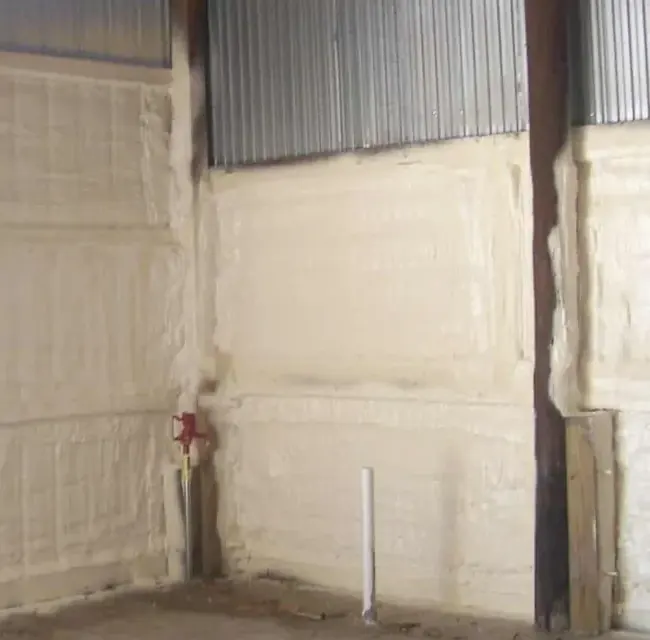 Metal buildings
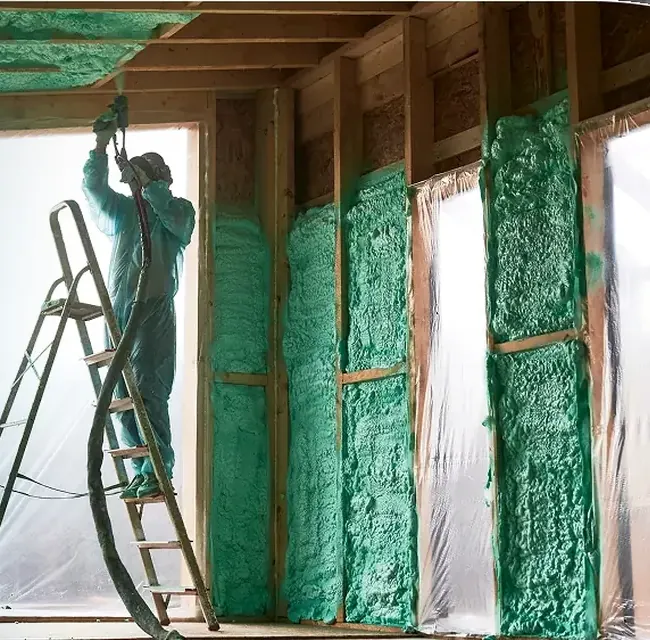 Pole barns, shops & ag
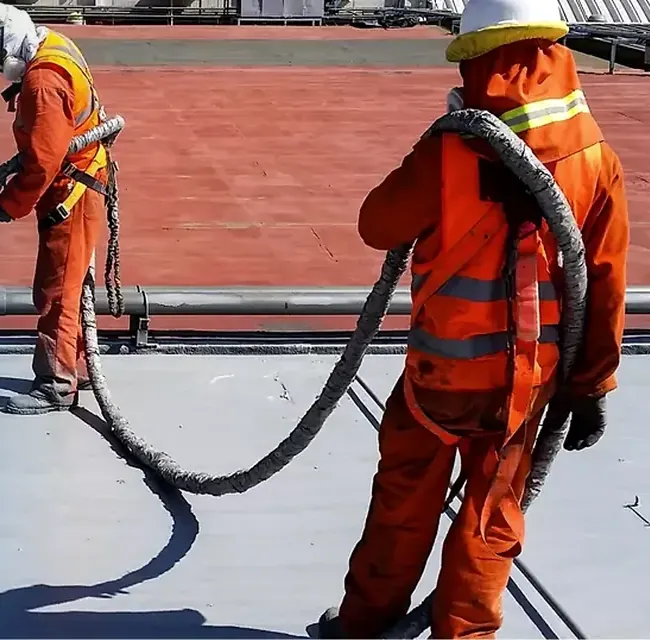 SPF roofing
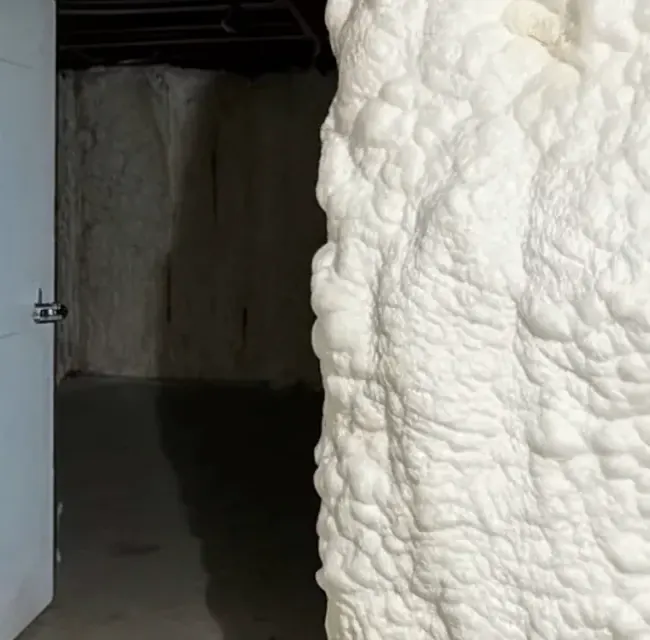 Basement walls
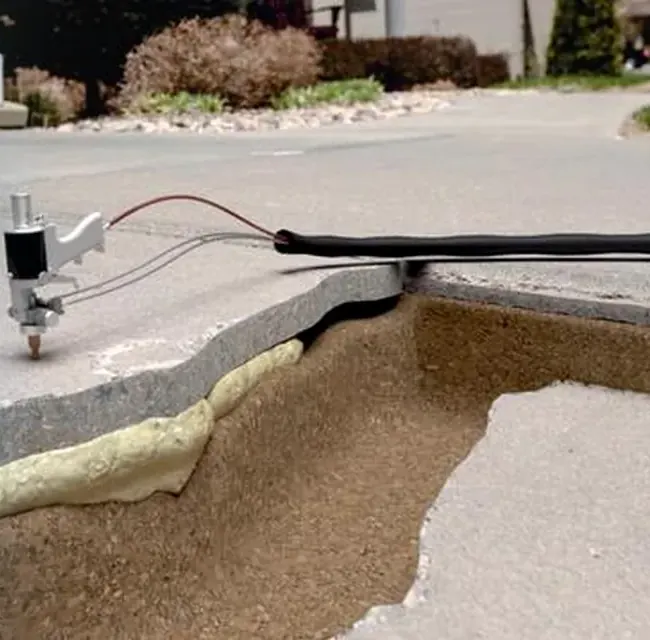 Concrete lifting
Foam Insulation: Unveiling the Hidden Health Risks
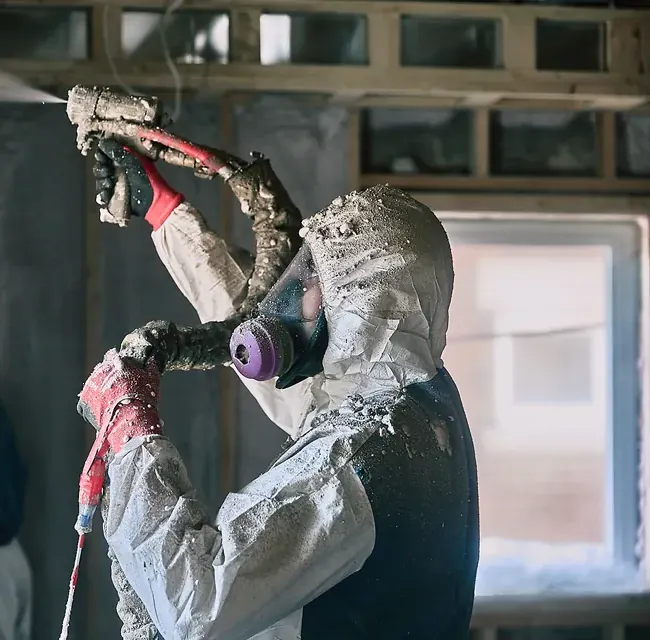
In recent times, foam insulation has become a staple in the modern construction landscape. Valued for its energy efficiency, it has found its way into countless homes and buildings. However, as with many materials, there is more beneath the surface. Recently, discussions have surfaced around some lesser-known health risks that could lurk within foam insulation. Let us delve into this intriguing and necessary conversation.
Navigating the Composition of Foam Insulation
Foam insulation, typically composed of polyurethane or polystyrene, works wonders in regulating indoor temperature. Yet, it also contains several chemicals that help it expand and harden. One such compound is isocyanate. This ingredient, vital for foam formation, deserves attention due to its potential health implications. While manufacturers aim for safety, improper installation or degradation over time can release isocyanates into the air.
The Inhalation Concern
In enclosed spaces, chemicals from foam insulation could become airborne. Breathing in these tiny particles might have health implications. Some people report irritation of the eyes, nose, and throat soon after installation. The symptoms may seem minor, but for sensitive individuals or those with pre-existing conditions, the effect might escalate. The link between inhalation and respiratory conditions like asthma has sparked increased inquiry.
Skin Contact and Allergic Reactions
Foam insulation might not always stay where it’s intended. Microscopic particles can settle on skin, causing irritation or allergic reactions. Individuals with heightened skin sensitivity face a higher risk. Recent studies hint that repeated exposure might heighten sensitivity to these chemicals. For people frequently in contact with foam, such as builders or renovators, understanding potential risks becomes crucial.
Environmental Impact
Besides direct health effects, foam insulation poses environmental concerns. The production process involves energy-intensive methods and the release of volatile organic compounds (VOCs) into the atmosphere. Over time, as foam breaks down, it can contribute to environmental pollution. These by-products have a creeping effect on ecosystems, affecting air and water quality. The broader implications include a potentially negative contribution to climate change due to increased levels of VOCs.
Mitigation Strategies
Being aware of the potential risks with foam insulation warrants adopting preventive measures. Professional installation stands as the first defense line. Certified experts ensure proper sealing and minimal chemical release. Post-installation, sufficient airing of spaces and ventilation can further reduce airborne particles. Monitoring for any signs of irritation and addressing them promptly also offers a layer of safety.
Innovations and Alternatives
Aware of existing concerns, the industry continuously seeks advancements. Innovations like water-blown foam or soy-based alternatives reduce reliance on harmful chemicals. They offer much-needed reassurance while maintaining thermal efficiency. As research progresses, new products will likely provide safer and more sustainable options for those considering foam insulation.
Moving Forward with Caution
Foam insulation, when used with care and awareness, brings undeniable benefits. Recognizing potential health and environmental risks is a vital step forward. Homeowners and builders must weigh the advantages and drawbacks thoughtfully. Consideration of innovative alternatives or improvements in installation can help mitigate risks.
Staying informed empowers individuals to make decisions that align with safety and sustainability goals. Continued research and dialogue fortify our understanding of foam insulation’s broader impact. Through balanced consideration, we achieve the comfort of a well-insulated space without compromising health or the environment.
Next step
Get the right foam for your building.
Share a few details and the ArmorThane team will follow up with recommendations, pricing guidance and an applicator.
(417) 831-5090Keep reading
Related guides
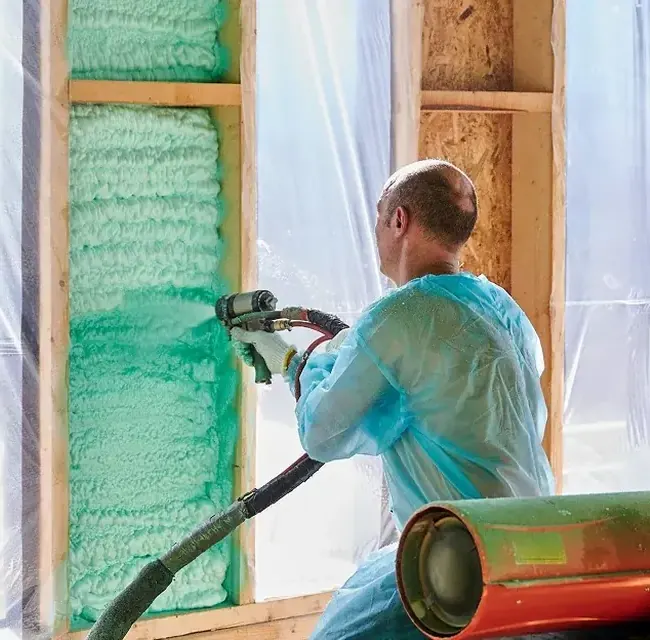
The Hidden Perils of Foam Insulation: What You Need to Know
Foam insulation is everywhere in modern construction. It keeps our homes warm and our energy bills low. But, what goes unseen can…
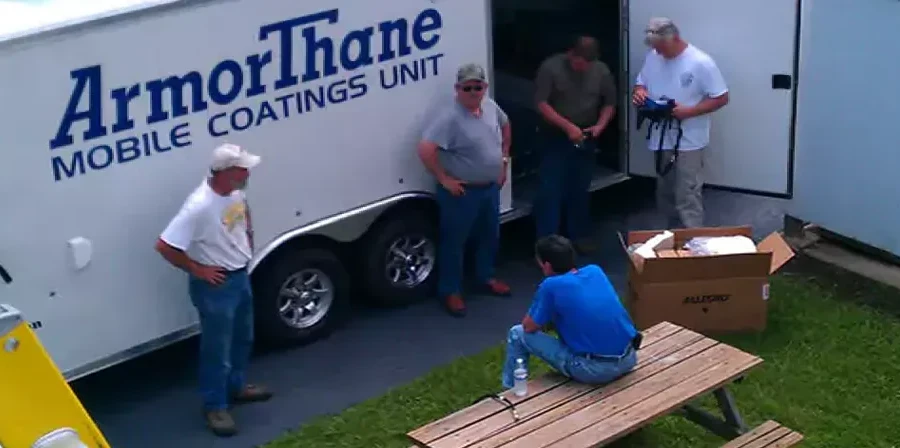
How to Start a Spray Foam Insulation Business
Equipment, training, licensing, insurance, pricing and finding the first customers — a practical roadmap for launching a spray foam insulation company, and…
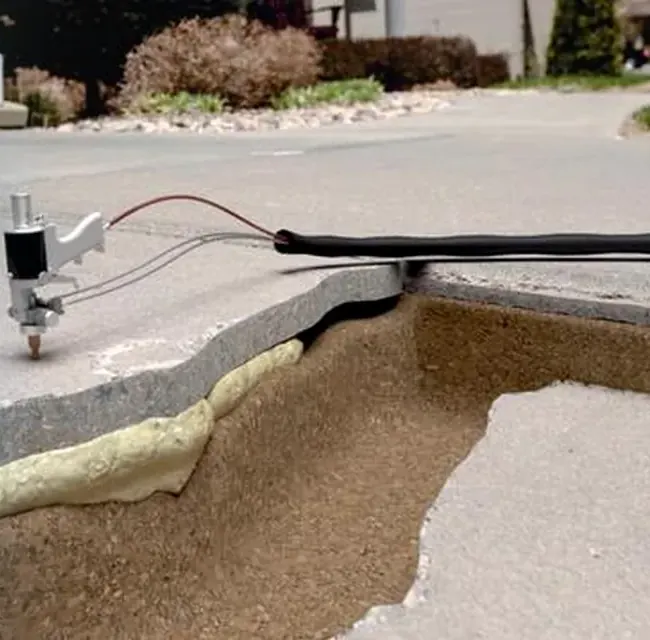
Polyurethane Foam Concrete Lifting: How Polyjacking Works
Sunken driveways, walks and floor slabs can often be raised instead of replaced. How expanding polyurethane lifts concrete, how it compares to…