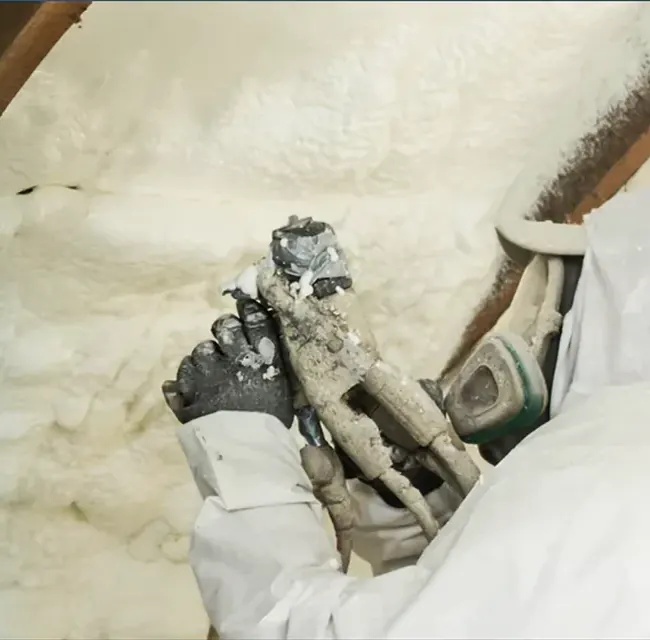
 Attics & roof decks
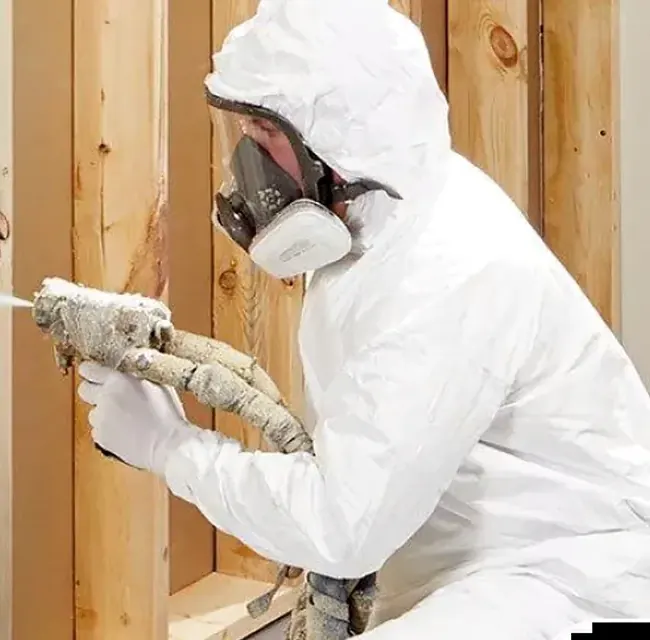 Exterior walls
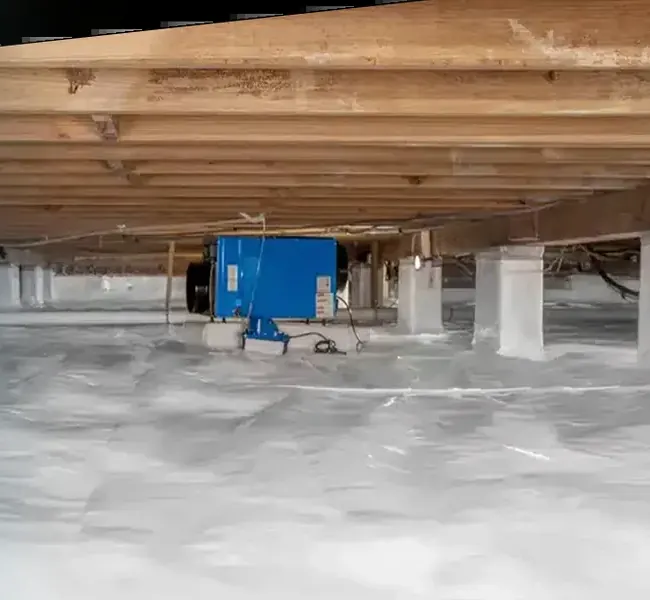 Crawl spaces & rim joists
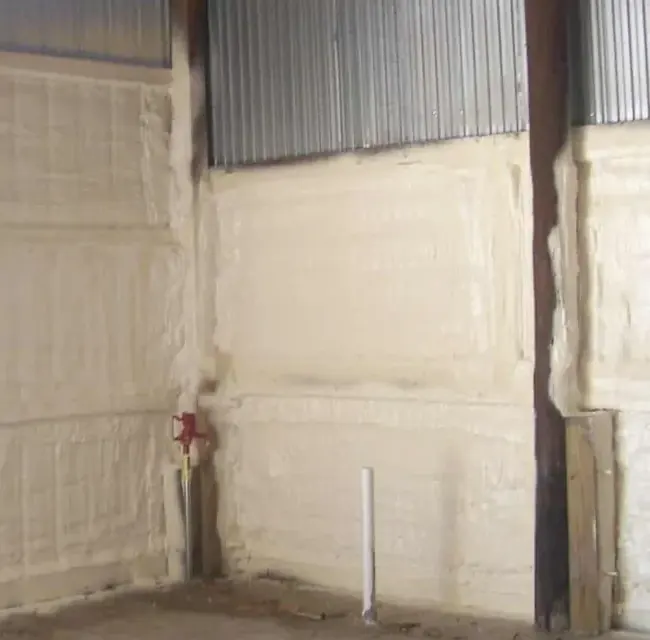 Metal buildings
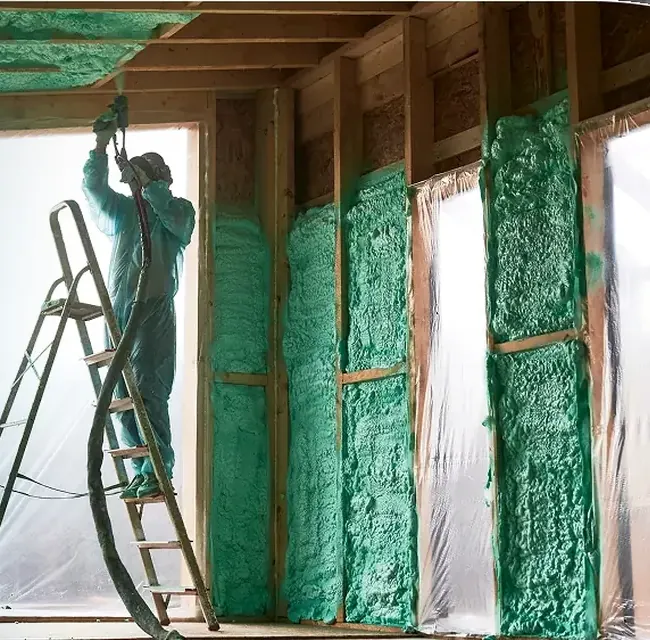 Pole barns, shops & ag
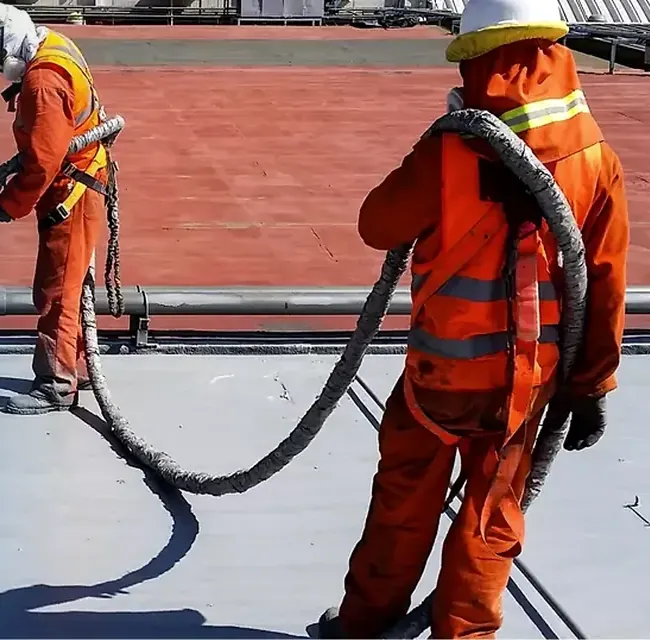 SPF roofing
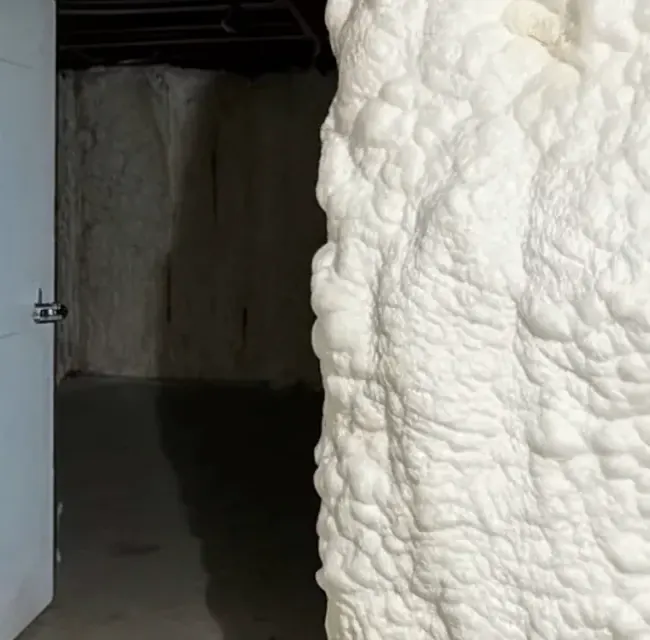 Basement walls
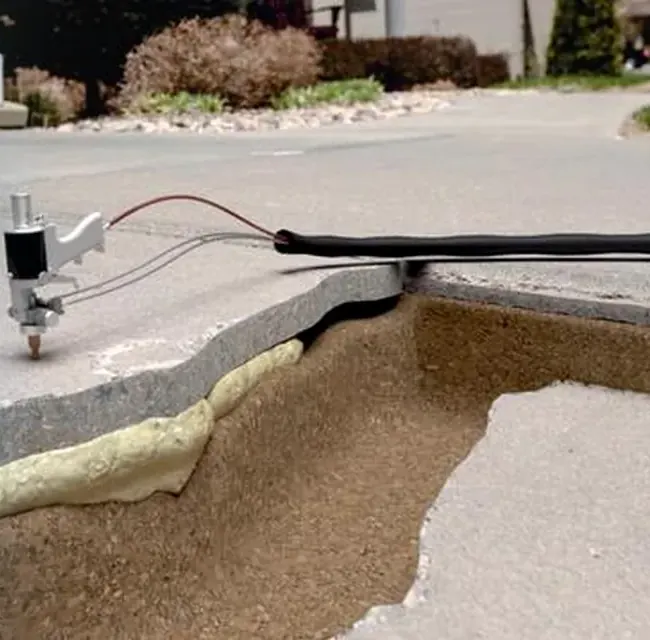 Concrete lifting
The Hidden Perils of Foam Insulation: What You Need to Know
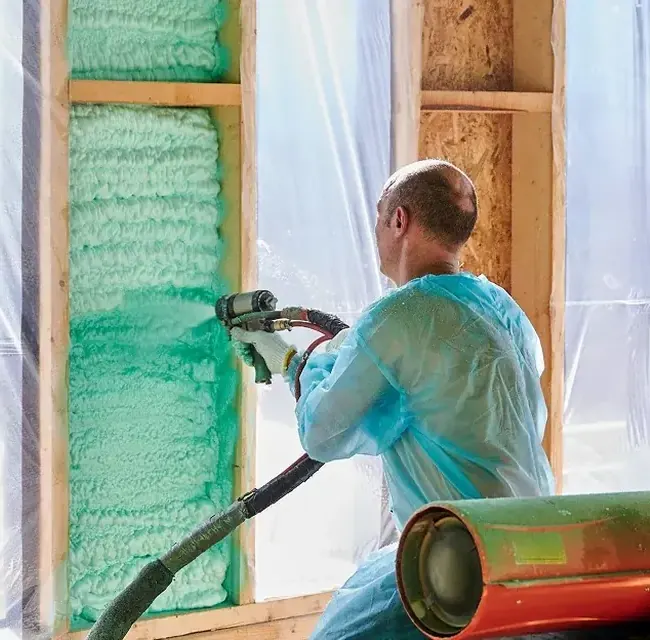
Foam insulation is everywhere in modern construction. It keeps our homes warm and our energy bills low. But, what goes unseen can sometimes cause harm. A viral topic surrounding foam insulation has stirred conversations across the internet: the unintentional health impacts. Let’s explore what the buzz is about, why it matters, and what you need to know.
Understanding Foam Insulation
Foam insulation, a popular choice for many buildings, consists of materials like polyurethane and polystyrene. These materials are prized for their ability to seal spaces and improve energy efficiency. When installed, they expand and fill gaps in walls, roofs, and floors. But, this seemingly-benign material can come with unexpected consequences.
The Making of a Viral Topic
The internet has been abuzz with stories about foam insulation’s potential health risks. Viral posts and articles tell stories of headaches, respiratory issues, and skin irritation linked with some types of foam insulation. While these claims are anecdotal, they have sparked debates about the safety of foam products. People share personal experiences, fueling discussions further. Social media has amplified these voices, making it a topic hard to ignore.
The Chemical Culprit
Concerns center around the chemicals in foam insulation. Substances like isocyanates, used in polyurethane foams, are known irritants. During installation, these chemicals can release fumes. If not handled with care, they might affect indoor air quality. Proper ventilation during installation is crucial, yet many people remain unaware of this need.
Innovations and Solutions
In light of these concerns, the industry is exploring alternatives. Plant-based foams are gaining attention. Made from soy or castor beans, they offer a more sustainable option. Though not yet mainstream, they present a promising direction. For those wary of traditional foam, these alternatives bring some hope.
What Homeowners Should Do
Awareness is key for homeowners considering foam insulation. Before installation, research installers and ask questions. Ensure they follow safety protocols and provide information on materials used. During installation, wear protective gear and ensure proper ventilation. Taking these steps can minimize risks and maintain peace of mind.
Conclusion: Moving Forward with Knowledge
Foam insulation remains a valuable tool in the construction world. It provides efficiency and comfort. But, as with all materials, understanding its potential impacts is necessary. As discussions evolve, staying informed helps make decisions that align with personal health and environmental values. Always approach home-related choices with curiosity and care.
Next step
Get the right foam for your building.
Share a few details and the ArmorThane team will follow up with recommendations, pricing guidance and an applicator.
(417) 831-5090Keep reading
Related guides
Foam Insulation: Unveiling the Hidden Health Risks
In recent times, foam insulation has become a staple in the modern construction landscape. Valued for its energy efficiency, it has found…
How to Start a Spray Foam Insulation Business
Equipment, training, licensing, insurance, pricing and finding the first customers — a practical roadmap for launching a spray foam insulation company, and…
Polyurethane Foam Concrete Lifting: How Polyjacking Works
Sunken driveways, walks and floor slabs can often be raised instead of replaced. How expanding polyurethane lifts concrete, how it compares to…