
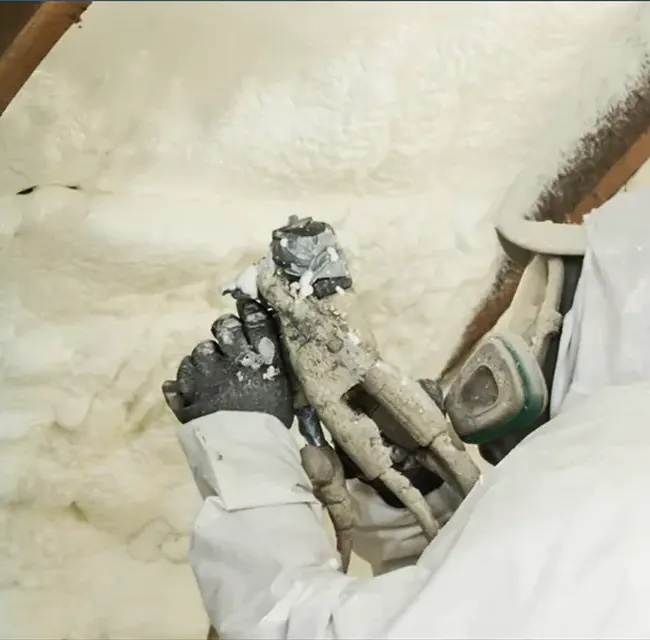
 Attics & roof decks
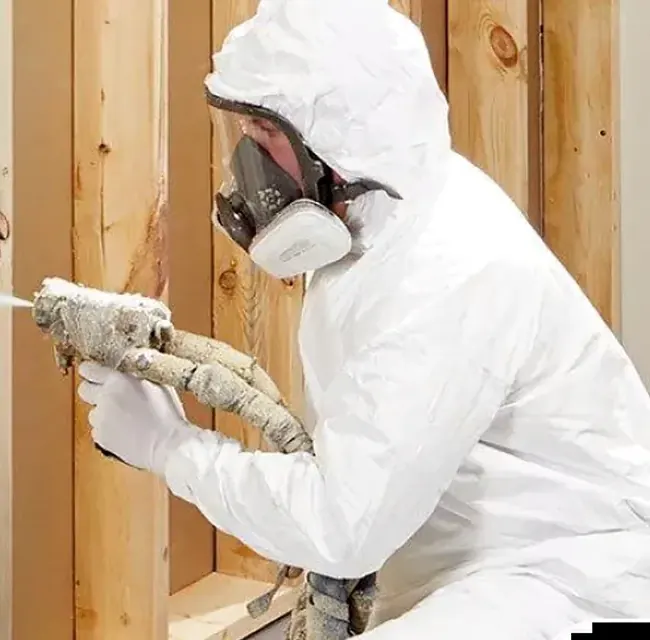 Exterior walls
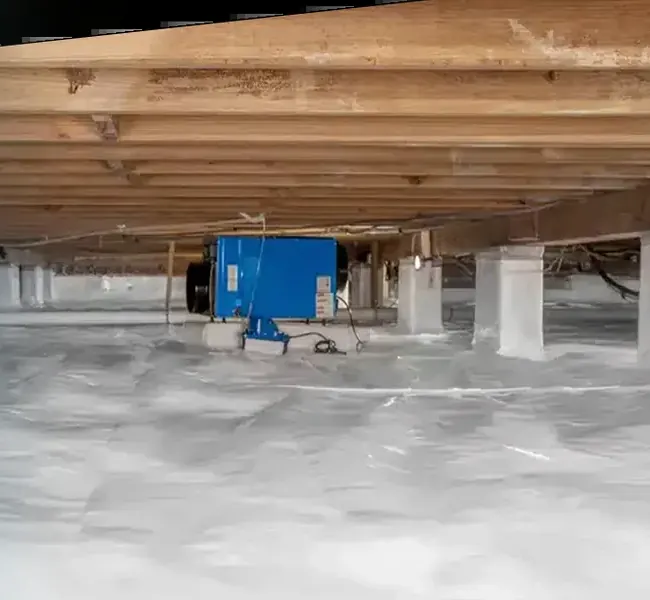 Crawl spaces & rim joists
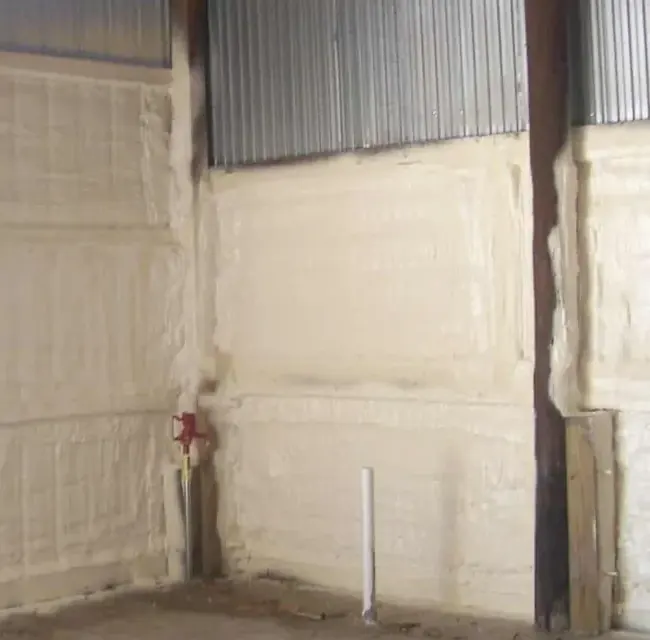 Metal buildings
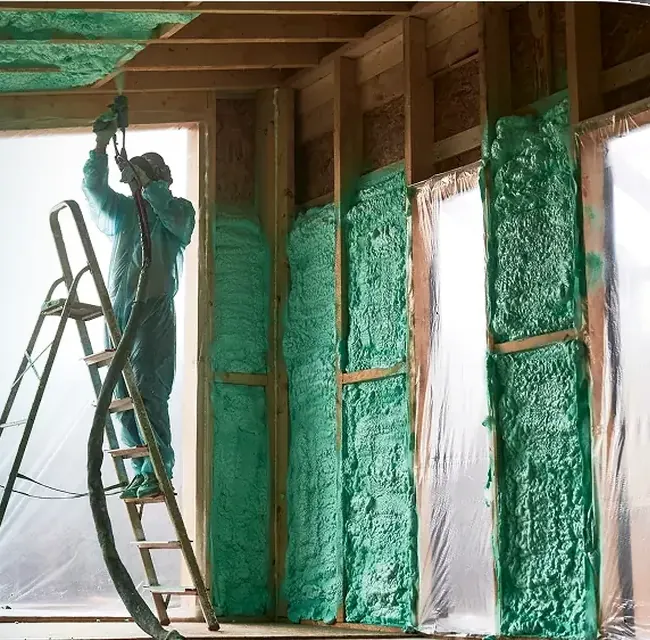 Pole barns, shops & ag
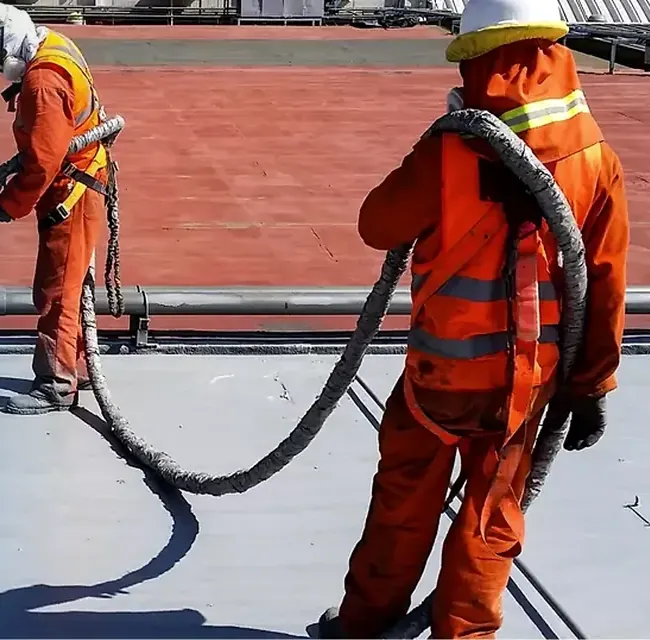 SPF roofing
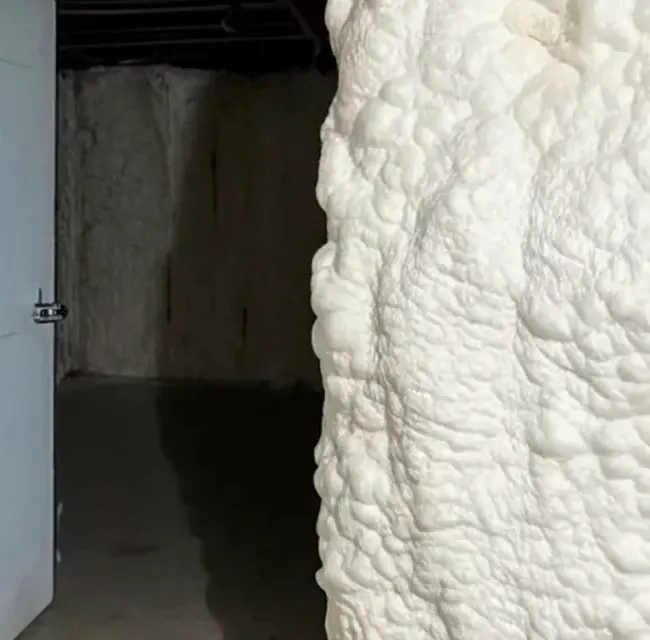 Basement walls
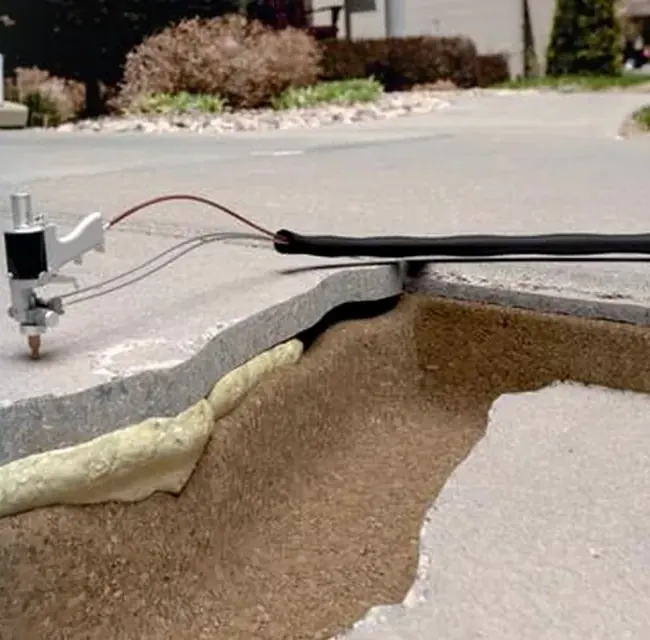 Concrete lifting
Spray Foam vs Fiberglass Insulation: Cost, Performance and Where Each Wins
Fiberglass is cheaper per square foot. Spray foam seals air leaks and packs more R-value per inch. Here is an honest comparison and the places where each one makes the most sense.

Summary
Fiberglass is cheaper per square foot. Spray foam seals air leaks and packs more R-value per inch. Here is an honest comparison and the places where each one makes the most sense.
Fiberglass has been the default insulation in American homes for decades. It is cheap, easy to install and widely available. Spray foam costs more, but it does things fiberglass simply cannot. Choosing between them comes down to what part of the house you are insulating and what problem you are trying to solve.
How they work
Fiberglass traps air in a fluffy mat of glass fibers. Air pockets slow heat flow. It does not stop air from moving through it.
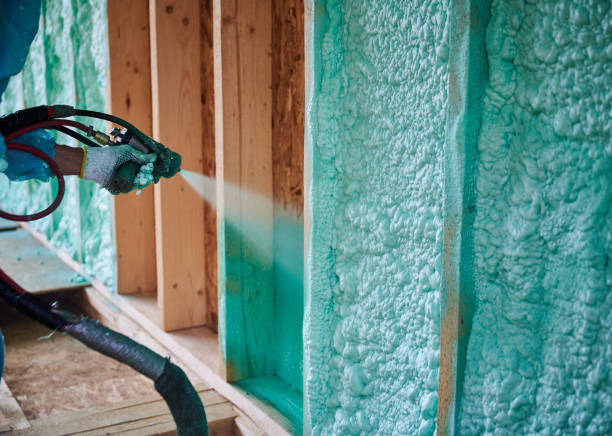
Spray foam expands into place and cures into a solid foam that fills gaps and bonds to framing. It insulates and air seals at the same time.
Side by side
| Fiberglass batts | Spray foam | |
|---|---|---|
| R-value per inch | About R-3 to R-4 | Open cell ~R-3.6, closed cell ~R-6 to R-7 |
| Air sealing | None by itself | Excellent |
| Moisture | Loses performance when wet | Closed cell resists moisture |
| Installed cost | Lower | Higher, often two to three times |
| DIY friendly | Yes | Not really |
| Installation quality sensitivity | Gaps and compression reduce performance | Mixing and thickness must be right |
Where fiberglass wins
- Budget projects where first cost matters most
- Interior walls for sound dampening
- Vented attic floors, where blown fiberglass or cellulose is cheap to pile deep
- DIY jobs where you can take your time and cut batts carefully around obstacles
Where spray foam wins
- Rim joists, the classic leak point in basements
- Cathedral ceilings and roof decks, where space is tight and air sealing is critical
- Crawl spaces and basement walls, where moisture is a concern
- Metal buildings, where condensation is the main problem
- Older homes with lots of irregular cavities and air leaks
The hybrid approach
Many builders use a “flash and batt” method: an inch or two of closed-cell foam for air sealing and vapor control, then fiberglass to fill the rest of the cavity. It captures much of foam’s benefit for less money. Ask your contractor whether it makes sense in your climate zone.
Energy bills and payback
Spray foam’s air sealing can reduce heating and cooling costs, especially in leaky homes. How fast it pays back depends on your climate, energy prices and how leaky the house was before. A blower door test before and after is the best way to know what you are actually getting.
Health and installation
Fiberglass irritates skin and lungs during installation but is inert once in place. Spray foam requires occupants to stay out during spraying and for the manufacturer’s re-occupancy period, and must be installed by trained crews. See our post on the hidden perils of foam insulation for an honest look at what can go wrong.
For a wider look at insulation materials, ArmorThane’s guide to types of insulation covers cellulose, mineral wool and rigid boards too. And for builder perspectives on mixing materials, Built Smart Foam has practical case studies.
Next step
Get the right foam for your building.
Share a few details and the ArmorThane team will follow up with recommendations, pricing guidance and an applicator.
(417) 831-5090Keep reading
Related guides

Spray Foam Soundproofing: How Much Quieter Will It Really Make a Room?
Spray foam can cut noise, especially open-cell foam in interior walls and ceilings, but it is not a true soundproofing system on…
Spray Foam R-Value Per Inch: Open Cell, Closed Cell and How They Stack Up
Closed-cell foam runs roughly R-6 to R-7 per inch and open-cell roughly R-3.5 to R-3.8. Here is what those numbers mean, how…
How to Start a Spray Foam Insulation Business
Equipment, training, licensing, insurance, pricing and finding the first customers — a practical roadmap for launching a spray foam insulation company, and…